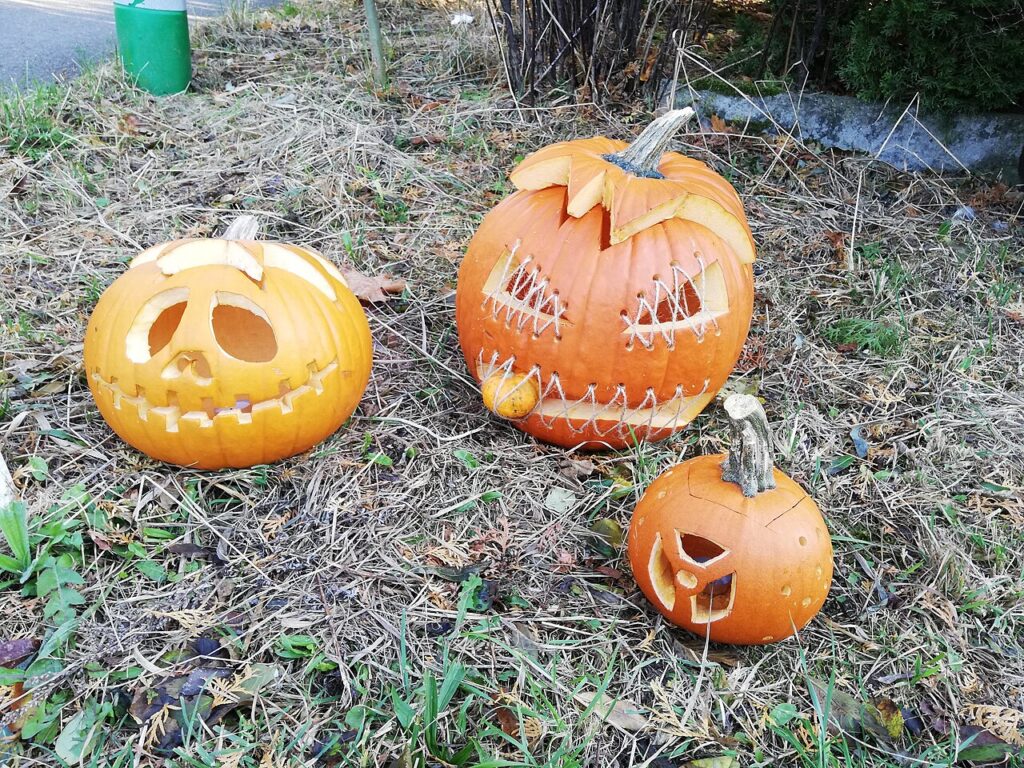
Is Halloween a public holiday anywhere? No. Despite its enormous cultural footprint — costumes, candy, haunted houses, and billions in retail spending — October 31 is not a public holiday in any country in the world. No government closes its offices for Halloween, no banking system pauses, and no school calendar lists it as a day off. It is one of the most widely celebrated unofficial days on the planet, and that is precisely the point: Halloween’s power comes from culture, not legislation.
Why the World’s Biggest Unofficial Holiday Stays Unofficial
Public holidays are typically created to mark events of national, religious, or historical significance — independence days, religious festivals, moments of remembrance. Halloween, for all its popularity, does not fit any of these categories in the eyes of lawmakers. Its roots are in the ancient Celtic festival of Samhain and the Christian observance of All Hallows’ Eve, but its modern form is essentially a commercial and community celebration: trick-or-treating, costume parties, and horror movies.
Governments have little incentive to formalize it. The days surrounding it already carry official weight in many places — November 1 (All Saints’ Day) is a public holiday in France, Spain, Italy, and several other Catholic countries, and November 2 (All Souls’ Day / Day of the Dead) is deeply significant in Mexico and parts of Latin America. In effect, Halloween rides on the coattails of these genuine holidays without needing one of its own.
Where Halloween Is Biggest
The United States remains Halloween’s spiritual home: Americans spend billions each year on costumes, decorations, and candy, and entire neighborhoods transform for the occasion. Canada, the UK, and Ireland celebrate enthusiastically — Ireland, as the birthplace of Samhain traditions, has a particularly authentic claim on the day, with festivals like Derry’s Halloween celebration drawing international visitors. Australia and New Zealand have embraced it in recent decades, though with some grumbling from traditionalists who see it as an American import.
Interestingly, Halloween is also growing fast in places with no historical connection to it. Japan’s Shibuya Halloween street party became world-famous (and controversial) in the 2010s. Parts of continental Europe, Latin America, and even the Gulf states now see costume events and themed parties — usually as commercial entertainment rather than folk tradition.
The Days Around It That ARE Holidays
If you want actual days off near Halloween, look to November 1: All Saints’ Day is a public holiday in France, Spain, Italy, and many other countries (November 1, 2026 is a Sunday, so observance varies by country — some shift the day off, others do not). Mexico’s Day of the Dead (November 1–2) is culturally enormous, though not a federal statutory holiday. And in the US, the day after Halloween sometimes sees informal school leniency — but never an official closure.
The takeaway: enjoy Halloween for what it is — a gloriously unofficial global party. Just don’t expect the banks to close for it. If you need a day off to recover from the festivities, you will have to spend a vacation day like everyone else. Check your employer’s leave calendar early if October 31 falls midweek and you are planning something big.