Labor Day in the United States and Labour Day in Canada fall on the same date: the first Monday of September. In 2026, that is Monday, September 7, a public holiday in both countries. The shared date is no coincidence. Both holidays grew from the same 19th-century labor movement, yet they evolved into distinctly national traditions. Understanding the common roots and the differences explains why one spelling changes at the border while the meaning stays remarkably similar.
Common Roots in the Labor Movement
The story starts with exhausted workers. In the late 1800s, industrial laborers in North America commonly worked 12-hour days, six or seven days a week, in dangerous conditions. Unions began organizing parades and demonstrations demanding shorter hours and better treatment. A pivotal moment came in 1882, when New York labor leader Peter J. McGuire proposed a day to honor workers, and some 10,000 workers marched in the first Labor Day parade. Canada’s path ran parallel: the Toronto Trades Assembly’s 1872 strike for the nine-hour day led to annual celebrations, and in 1894 Prime Minister John Thompson declared Labour Day a national holiday, the same year the United States made Labor Day federal. The two countries essentially created the holiday together, in the same year, for the same reasons.
How the US Celebrates Labor Day
In the United States, Labor Day is a federal holiday, and on September 7, 2026, federal offices, banks, post offices, and schools will close. But culturally, the day has drifted from its union origins toward a broader celebration of the end of summer. It is one of the biggest travel weekends of the year, famous for backyard barbecues, beach trips, and back-to-school sales. Parades organized by labor unions still march in cities like New York and Chicago, but for most Americans the day is about leisure rather than labor history. An old fashion rule, no white after Labor Day, survives as a cultural joke. The holiday’s meaning has softened, though unions use the weekend for rallies and membership drives.
How Canada Celebrates Labour Day
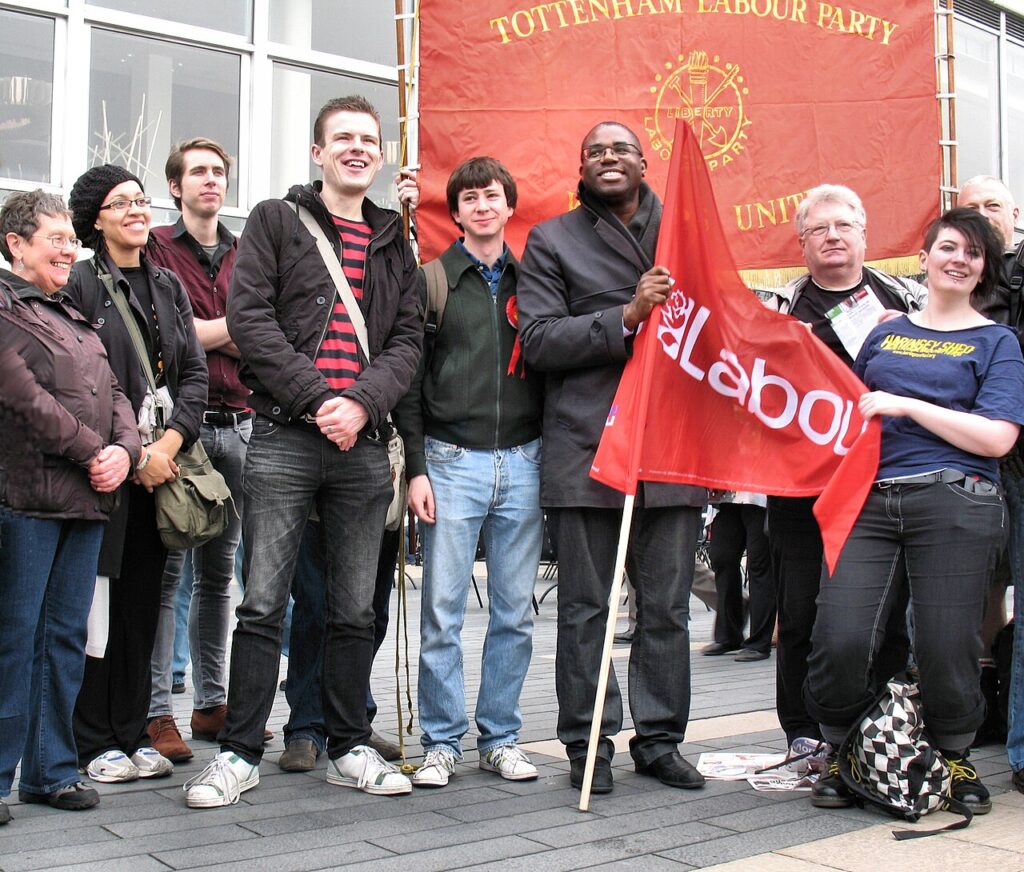
In Canada, September 7, 2026 is a statutory holiday in every province and territory, which is actually stronger protection than in the US, where private employers are not required to close. Canadian observance stays somewhat closer to labor roots: union-led parades and picnics remain central in Toronto, Vancouver, and other cities, and the Canadian Labour Congress uses the day for public campaigns. Like the US, it marks the end of summer and the start of the school year, with cottage country traffic jams as families squeeze in one last weekend at the lake. The spelling difference, Labour with a u, follows British convention and quietly signals that Canada’s holiday, while parallel, belongs to a different tradition.
Around the World: May 1 vs September
Most of the world celebrates workers on May 1, International Workers’ Day, a date chosen to commemorate the 1886 Haymarket affair in Chicago. The United States and Canada are the notable exceptions, and the reason is political: American leaders in the 1890s deliberately chose September to distance the holiday from the more radical May Day associations. So the globe is split. More than 80 countries march on May 1, while North America barbecues in September. Both dates honor the same struggle, and both trace back to the same American labor movement, which is one of history’s nicer ironies. Wherever you are on September 7, 2026, expect closures in the US and Canada and a very busy long weekend.