University closures on public holidays follow a familiar pattern — mostly closed, but with a world of their own underneath: reading weeks, examination periods and residential logistics layered on top of the national holiday calendar. Whether you are a student, a parent or staff, here is how it works.
Universities follow public holidays — mostly
Universities generally close their administrative offices and cancel teaching on national public holidays, just like other public institutions. Christmas Day, New Year’s Day, Eid holidays, Independence Days — on these dates, campuses go quiet, libraries shut or reduce hours, and lectures are cancelled.
But universities also close far beyond the public holiday list. The long vacations between terms — winter, spring and especially summer breaks — dwarf the national calendar. A university might be effectively closed for a month at Christmas while the country’s public holidays account for only two or three of those days.
What actually shuts down
On a public holiday, expect teaching to stop and most services to close: admissions offices, student services, libraries (or reduced hours), and campus catering. What usually keeps running:
- Student accommodation: Halls of residence stay open — students live there, after all — though reception hours may shrink.
- Security and essential maintenance: Campus never fully empties of staff.
- Research facilities: Some labs with ongoing experiments maintain cover, often on a rota basis.
- Online systems: Learning platforms, email and digital libraries work as normal.
Exams and holidays: the tricky overlap
Universities schedule examination periods to avoid public holidays, but the edges can get awkward. A public holiday falling just before an exam period compresses revision time; one falling during a resit period can force rescheduling. Most universities publish contingency plans, but students should check their personal exam timetables against the national holiday list each year rather than assuming no clashes.
Tips for students and parents
- Check the academic calendar, not just the national one: Your university’s term dates are what actually govern your life.
- Book travel early: Everyone leaves campus at the same time — trains and flights around term ends sell out fast.
- Confirm accommodation dates: Some halls require you to vacate or register for vacation residence over long breaks.
- Plan around closures: Need a transcript or administrative help? Do it before the holiday, not during.
University closures on public holidays are just the visible tip of the academic calendar. For students, the real planning tool is the university’s own term dates — with the national holidays marked on top.
Libraries and campus facilities on holidays
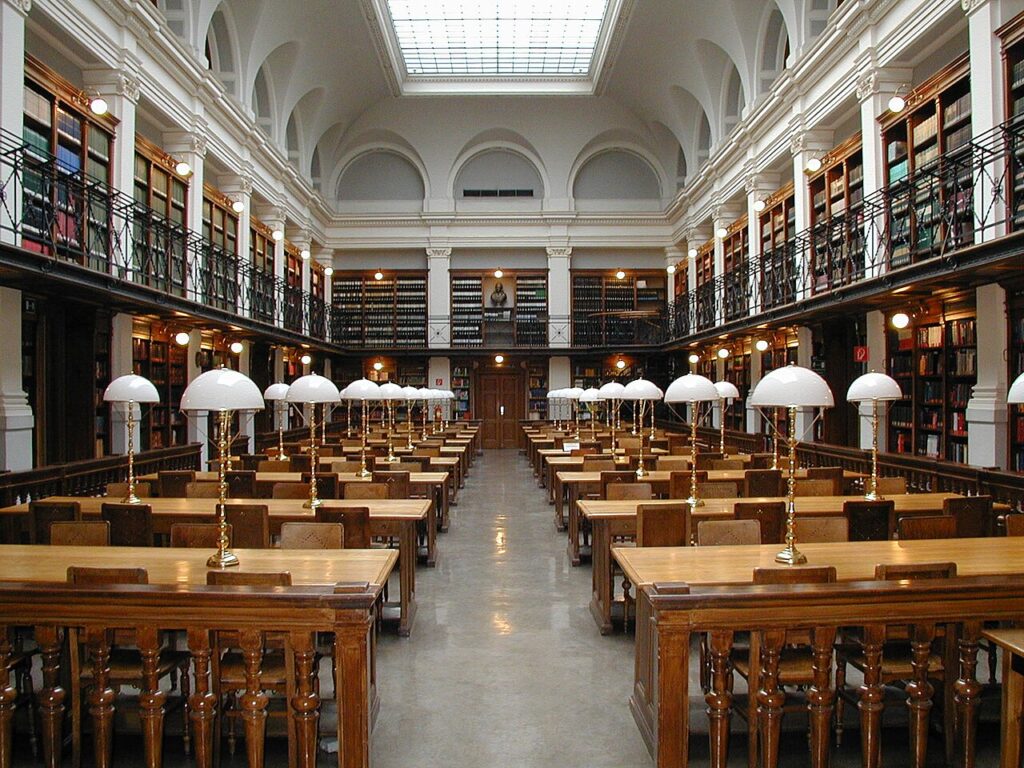
University libraries deserve special mention. Main libraries often run reduced hours on public holidays rather than closing entirely, recognising that students still need to study. Departmental libraries and specialist collections are more likely to shut completely. Sports facilities, student unions and campus shops usually follow the public-holiday pattern of reduced or no service. If you are planning a study session on a holiday, check the library’s holiday opening hours online first — they are usually published well in advance — and have a backup plan in case your preferred spot is closed.
Planning tips
Before you plan around a holiday, check three things: the official date for your country or region, whether a weekend holiday is carried over to a weekday, and which services stay open. Banks, schools, government offices and public transport often follow different timetables, so a quick check saves a wasted trip.
Use this guide as a starting point, compare it with the official source for your location and check again closer to the date, since announcements and local arrangements can change. Sharing the dates early with family, colleagues and customers also avoids last-minute surprises.