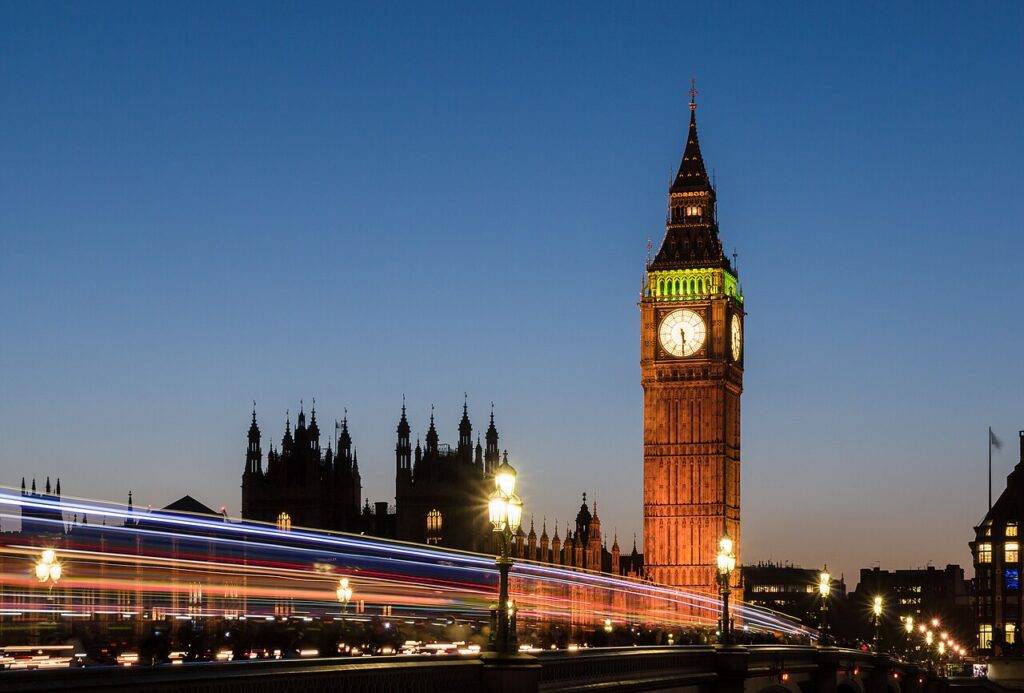
The UK bank holidays in 2026 follow the classic England and Wales pattern: eight days off from New Year through Christmas, including the two spring bank holidays that anchor May and a welcome substitute day at Christmas. Note that Scotland and Northern Ireland add a few of their own — this guide covers England and Wales, the schedule most people mean by “UK bank holidays”.
All bank holidays in England and Wales, 2026
- Thursday, 1 January — New Year’s Day
- Friday, 3 April — Good Friday
- Monday, 6 April — Easter Monday
- Monday, 4 May — Early May bank holiday
- Monday, 25 May — Spring bank holiday
- Monday, 31 August — Summer bank holiday
- Friday, 25 December — Christmas Day
- Monday, 28 December — Boxing Day (substitute day; Boxing Day itself falls on Saturday 26 December)
Why Boxing Day moves in 2026
When a bank holiday falls on a weekend, a substitute weekday is added so workers do not lose the day off. In 2026, Boxing Day (26 December) lands on a Saturday, so Monday 28 December becomes the substitute bank holiday. Christmas Day itself falls on a Friday — meaning the festive break runs Friday through Monday, a four-day stretch for most employees without spending a single day of annual leave. It is one of the best Christmas layouts in years.
Scotland and Northern Ireland differences
Scotland observes extras including 2 January and St Andrew’s Day (30 November), while Northern Ireland adds St Patrick’s Day (17 March) and the Battle of the Boyne observance (13 July in 2026, as the 12th falls on a Sunday). If you work for a UK-wide employer, check which nation’s calendar your contract follows — it is a perennial source of December confusion, especially for remote workers employed in one nation and living in another.
Your rights: no automatic day off
Here is what surprises many people: there is no automatic legal right to paid time off on bank holidays in the UK. It depends entirely on your contract — most full-time contracts include them, usually phrased as a set number of days “plus bank holidays”, but part-time and shift workers should check the fine print. If you do work a bank holiday, many employers pay a premium or offer time off in lieu, but again, that is contractual rather than statutory.
Making the most of the 2026 calendar
The Easter weekend (3–6 April) and the August bank holiday (29–31 August) are the two busiest domestic travel periods — book trains and accommodation early. May offers two Monday holidays three weeks apart, ideal for spring breaks. And the Christmas stretch deserves special planning: with leave days on 29–31 December, the four-day festive break becomes a full eleven-day holiday through to the new year. Transport runs reduced services on all bank holidays — and on Christmas Day itself, assume virtually no public transport in London and plan accordingly.
One more tip for 2026: New Year’s Day falls on a Thursday, so taking Friday 2 January off creates an immediate four-day weekend to start the year — a small win that sets the tone for a well-planned twelve months.
Planning tips
Holiday calendars are published well in advance, but local announcements can still adjust them, especially where dates depend on a lunar calendar or a moon sighting. Bookmark the official source for your region, compare it with your employer policy and leave a small buffer when travelling or shipping goods around the date.
Use this guide as a starting point, compare it with the official source for your location and check again closer to the date, since announcements and local arrangements can change. Sharing the dates early with family, colleagues and customers also avoids last-minute surprises.