Public holidays in 2026 span 140 verified dates across the twelve countries we track — from New Year’s Day celebrated on five continents to Christmas closing out the year in ten nations. This complete world roundup distills our full 2026 holiday dataset into the patterns, peaks, and practical takeaways that matter for planning your year, whether you are scheduling business, booking travel, or simply maximizing your time off.
The Year at a Glance
The 2026 holiday year has a clear rhythm. January opens with the universally shared New Year’s Day (nine of our twelve countries). February is the quietest month — just three holidays total. March erupts with Eid al-Fitr across the Muslim world plus Holi and Pakistan Day. April belongs to Easter’s long weekends. May is the densest month of all: Labour Day across six countries, two UK bank holidays, and Eid al-Adha. June brings Juneteenth, Italy’s Republic Day, and Ashura. July celebrates North American and French nationhood. August mixes independence days with the Assumption and the UK’s summer bank holiday. September offers Labor Day and Saudi National Day. October converges three nations on a single Monday the 12th. November brings Diwali and American Thanksgiving. December closes with Christmas in ten countries and the UAE’s National Day.
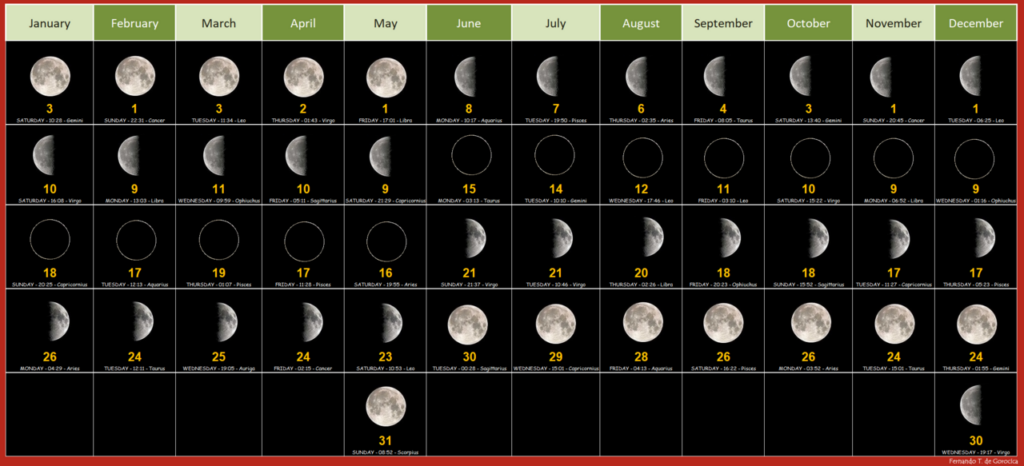
Two forces drive the calendar: the fixed Gregorian rhythm of national and Christian holidays, and the shifting lunar rhythm of Islamic (and Hindu) observances that move each year and depend on moon sighting.
Key Patterns Worth Knowing
The lunar factor: Roughly a quarter of our 140 dates are moon-dependent — the Eids, Ashura, the Islamic New Year, Milad-un-Nabi, and India’s Id-ul-Fitr and Muharram. These are marked tentative in our data until officially confirmed, sometimes only days beforehand. Never build immovable plans on them.
The Friday effect: In 2026, several major holidays land on Fridays — Labour Day (May 1), Juneteenth (June 19), Pakistan’s Independence Day (August 14), and Christmas (December 25) — creating natural long weekends without spending leave. Conversely, holidays falling on weekends (German Unity Day, Diwali, All Saints’ Day) lose practical impact unless substitute days apply.
The multi-day Eids: Pakistan, the UAE, and Saudi Arabia each observe three days for both Eids — the longest continuous breaks in our dataset, and the periods of maximum disruption for business in those countries.
Planning the Whole Year
For maximum time off, target the bridge opportunities: January 2 (after Thursday New Year), the Easter weekend (April 3–6), May’s European long weekends, and the Christmas-to-New-Year stretch. For business, the safest months are February, September, and October — fewest disruptions. For travel, January and September offer the best value; August and December the worst. And for the Muslim world’s holidays, the golden rule stands all year: confirm lunar dates through official announcements, keep a buffer day, and never assume.
One final note: this roundup reflects national-level calendars. Regional and state holidays — Bavaria’s extra days, US state observances, India’s state festivals — add further richness beneath the national picture. For the definitive answer on any specific date, always consult the official gazette or government notice for the relevant country and year. Calendars are living documents; the 2026 edition is now yours to use well.