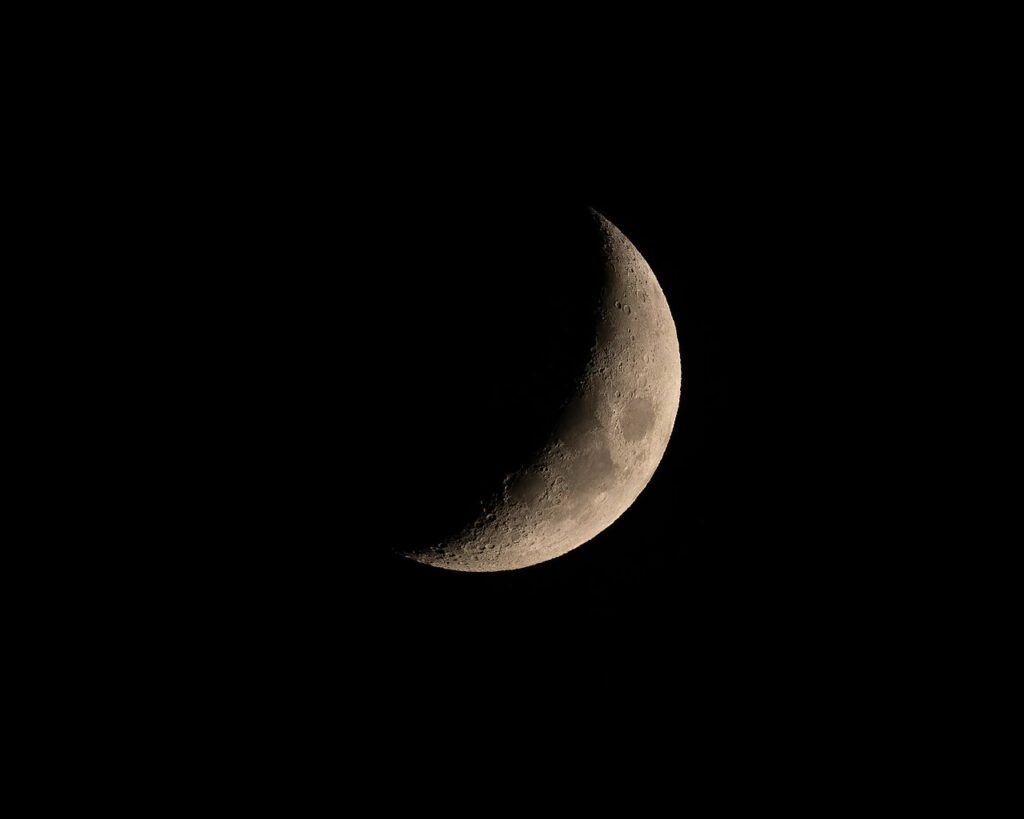
The Islamic New Year, marking the first day of Muharram, is a public holiday in many Muslim-majority countries, though its observance varies widely around the world. In 2026, it is expected around June 15 to 16, but the exact date depends entirely on the sighting of the new crescent moon, so all dates must be treated as tentative until officially announced. Unlike the Gregorian New Year, it is a quiet, reflective occasion rather than a celebration, commemorating the Hijrah, the Prophet Muhammad’s migration from Mecca to Medina that marks year one of the Islamic calendar.
What the Islamic New Year Commemorates
The Islamic calendar begins with the Hijrah in 622 CE, when the Prophet Muhammad and his followers migrated from Mecca to Medina to escape persecution. The second caliph, Umar ibn Al-Khattab, later established this event as the starting point of the Muslim era, making the Islamic calendar a lunar system of 354 or 355 days. The New Year itself, 1 Muharram, is not celebrated with parties or fireworks. Instead, it is a time for reflection on the Hijrah’s themes of sacrifice, faith, and new beginnings. Many Muslims use the occasion for extra prayer, Quranic recitation, and contemplation of the year ahead. The mood is closer to a spiritual retreat than a festival.
Where It Is a Public Holiday in 2026
Holiday status varies by country. In the UAE, the 2026 calendar includes the Islamic New Year around June 15 as a public holiday for both sectors, subject to moon sighting. Saudi Arabia’s 2026 calendar similarly lists it around June 16. Pakistan does not observe 1 Muharram as a separate public holiday, though the 9th and 10th of Muharram, Ashura, are holidays. Indonesia, Malaysia, and several other Muslim-majority countries also grant the day off. In non-Muslim-majority countries, it passes without official recognition. Because the date depends on the lunar cycle, it moves about ten to eleven days earlier each Gregorian year, which is why long-range planning always requires the tentative label.
The Month of Muharram
The New Year opens the month of Muharram, one of the four sacred months in Islam, during which warfare was traditionally forbidden. For Sunni Muslims, the month’s most significant days are the 9th and 10th, Ashura, with fasting recommended. For Shia Muslims, Muharram is a period of intense mourning commemorating the martyrdom of Imam Hussain, the Prophet’s grandson, at Karbala in 680 CE, with processions and majalis reaching their peak on Ashura. Understanding the New Year therefore means understanding the whole month: a single date on the calendar opens onto one of the richest and most emotionally charged periods in the Islamic year.
Planning and Practical Notes
If you are in the Gulf around mid-June 2026, expect a public holiday around June 15 to 16, but confirm the exact date with official announcements, as moon sighting can shift it by a day. Government offices and banks will close on the declared day. The observance itself is subdued: no public festivities, just a quieter-than-usual day. For Muslims, it is an opportunity for spiritual renewal at the start of the new Hijri year. For everyone else, the main practical effect is the day off, and a chance to learn about the calendar system that governs the rhythm of Islamic religious life.