Is New Year’s Eve a public holiday? In most countries, no. December 31 — the day before New Year’s Day — is a normal working day across the vast majority of the world’s official holiday calendars, including all twelve countries tracked in our 2026 public holiday data. Governments, banks, and schools operate on their regular schedules, and there is no statutory day off. The celebration belongs to the night, not the day: the world parties on New Year’s Eve and recovers on New Year’s Day, which genuinely is a public holiday almost everywhere.
Why the Eve Isn’t the Holiday
The logic is simple once you see it. Public holidays mark the event itself — and the event is the arrival of the new year, which happens at midnight. January 1 is the date on the calendar that changed, so January 1 gets the holiday. December 31 is merely the last ordinary day of the old year. This pattern holds across cultures: Christmas Eve (December 24) is not a public holiday in most countries either, while Christmas Day is; similarly, the night before Eid is festive but the day off is Eid itself.
Our 2026 data confirms the pattern worldwide. Germany, France, Spain, Italy, the United States, the United Kingdom, Canada, Australia, Pakistan, India, the UAE, and Saudi Arabia all list January 1 as a public holiday — and not one of them lists December 31. It is one of the most consistent facts in the global holiday calendar.
The Exceptions and Half-Days
That said, reality is softer than the statute books. In many workplaces, New Year’s Eve functions as a de facto half-holiday: offices close early, often around lunchtime or mid-afternoon, so staff can prepare for evening celebrations. This is custom, not law — it depends entirely on your employer, and essential services run full shifts regardless. A handful of jurisdictions do grant December 31 officially, but they are the exception; always check your specific country and state rather than assuming.
One related quirk worth knowing: when January 1 falls on a weekend, some countries shift the observed day off. In the UK, for example, if New Year’s Day falls on a Saturday, the following Monday becomes a substitute bank holiday. These “observed” arrangements can create long weekends that feel like a New Year’s Eve bonus — but they are technically the New Year holiday moved, not an Eve holiday granted.
Celebrating Without a Day Off
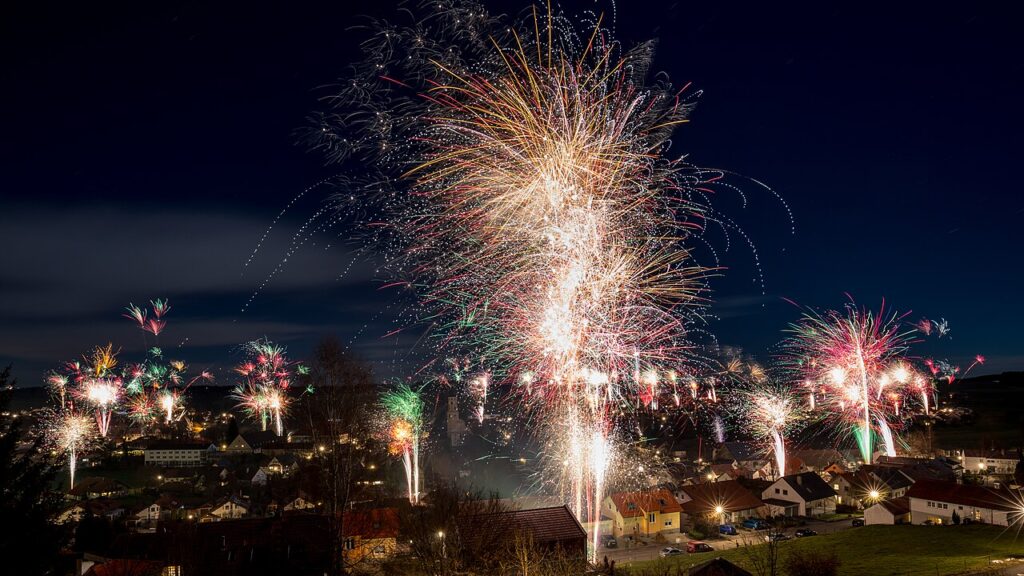
Since December 31 is a working day, planning matters. If you are hosting or attending a party, the practical move is to keep the day itself light: finish essential work early if your employer allows, avoid scheduling anything important for the morning of January 1, and remember that public transport in major cities often runs all night on New Year’s Eve but with altered schedules. Fireworks displays — from Sydney Harbour to the Thames to Times Square — draw enormous crowds, so arrive early and check local transport advisories.
And if you are traveling internationally for the occasion, double-check both ends of your trip: your departure city treats December 31 as ordinary, but your destination’s January 1 closures (banks, government offices, many shops) begin at midnight sharp. The party is global; the day off starts with the new year itself.