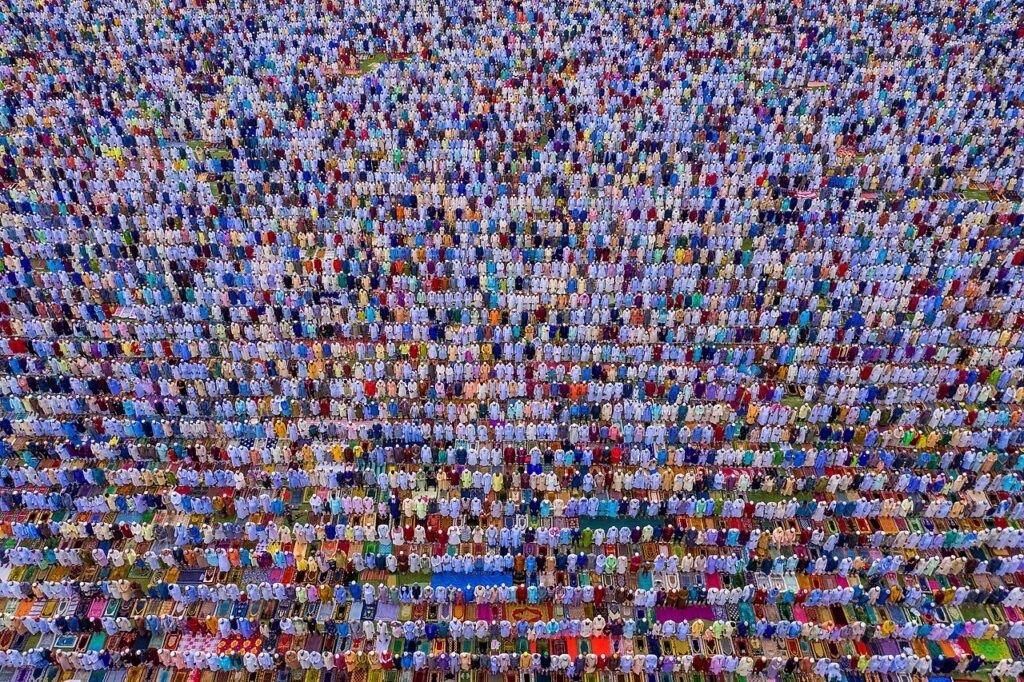
Eid al-Fitr 2026 is expected around 20–22 March, marking the end of the fasting month of Ramadan. It is one of the most widely observed public holidays in the Muslim world, with multi-day breaks in Pakistan, the UAE, Saudi Arabia and beyond. But the exact dates depend on the sighting of the new crescent moon — here is what we know, what is expected, and how the holiday works as a day off.
Expected dates for 2026 (to be confirmed)
Based on astronomical calculations, Eid al-Fitr is expected to begin on Friday 20 March 2026 in most Gulf countries, with Pakistan’s Ruet-e-Hilal Committee expected to announce the Shawwal moon for Saturday 21 March. Our verified data reflects this: the UAE lists 20–22 March, Saudi Arabia 20–22 March, Pakistan 21–23 March (with 23 March doubling as Pakistan Day), and India 21 March. Every one of these is marked expected — the official announcement can shift any of them by a day, and sometimes comes only 24–48 hours beforehand.
Public holiday status by country
- Pakistan: three days expected (21–23 March), overlapping Pakistan Day on the 23rd.
- UAE: three days expected (20–22 March) under the unified public/private holiday calendar.
- Saudi Arabia: three days expected (20–22 March).
- India: one gazetted holiday expected (21 March); states may add more.
- UK/USA/Canada/Australia/Germany/France/Spain/Italy: not a public holiday, though Muslim employees commonly take leave.
How the date is actually decided
Eid al-Fitr begins on 1 Shawwal, the tenth month of the Islamic lunar calendar. On the 29th day of Ramadan, moon-sighting committees gather at sunset: if the crescent is sighted, Ramadan ends at 29 days and Eid is the next day; if not, Ramadan completes 30 days and Eid follows. Weather, geography and differing scholarly criteria mean neighbouring countries occasionally celebrate on different days — which is why Pakistan and the Gulf sometimes differ by a day, as the expected 2026 dates show.
What Eid al-Fitr means in practice
The day begins with special Eid prayers in mosques and open grounds, followed by feasts, new clothes, gifts for children (Eidi) and charity (Zakat al-Fitr) given before the prayer so the poor can celebrate too. As a holiday, it triggers mass travel — Pakistan’s cities empty as people head to hometowns, Gulf malls run festive hours, and transport everywhere is packed. If you are planning around it, build a buffer day into any bookings and wait for the official moon-sighting announcement before treating dates as final.
Ramadan 2026: the month before Eid
Eid al-Fitr does not arrive alone — it crowns the month of Ramadan, the holiest month in Islam, during which Muslims fast from dawn to sunset, gather for nightly taraweeh prayers and focus on charity and reflection. In the weeks before the expected 20–21 March Eid, daily life across the Muslim world shifts: working hours shorten (legally in the Gulf), restaurants close during daylight and reopen lavishly at iftar, and nights come alive with markets and family visits. The final ten nights carry special significance, with Laylat al-Qadr — the Night of Decree — sought among the odd-numbered nights. Then comes the moon sighting, the announcement, and the eruption of celebration: Eid morning prayers, feasts, new clothes and Eidi gifts for children. Understanding Ramadan is understanding why Eid al-Fitr feels less like a single day off and more like the joyful exhale after a month of devotion.