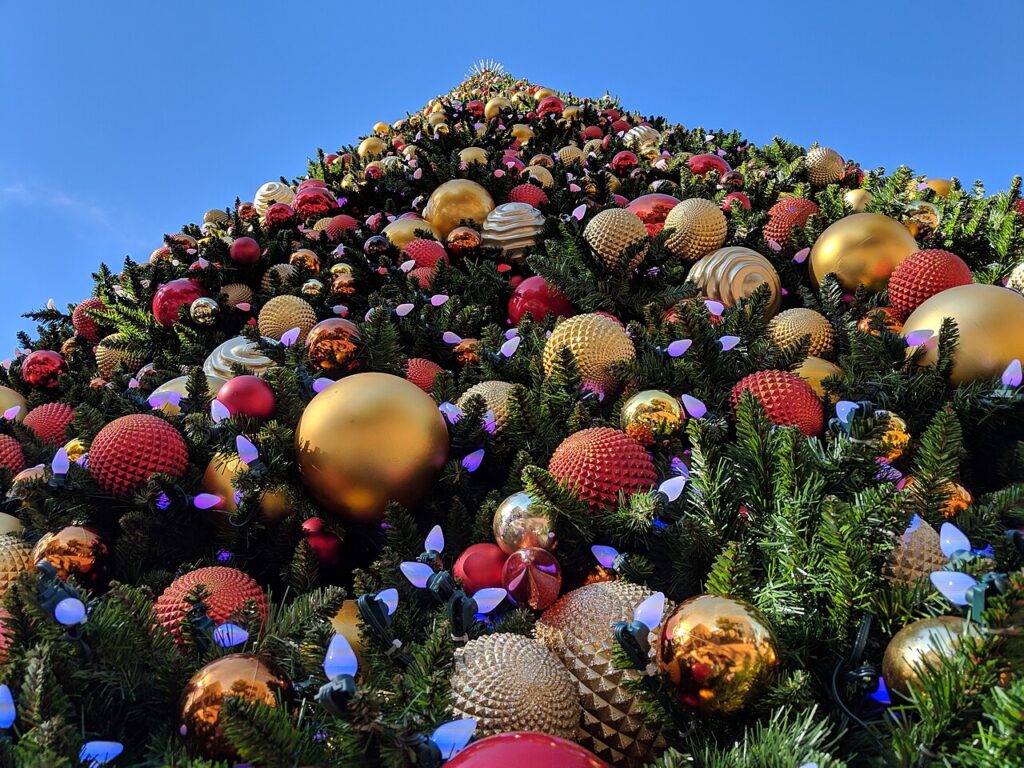
Christmas Day is the most widely observed public holiday on Earth. In 2026 it falls on Friday, 25 December, and in well over a hundred countries — Christian-majority or not — it will be an official day off. How did a religious festival become a near-universal pause in the working year? The answer spans seventeen centuries.
From ancient feast to global holiday
Christmas commemorates the birth of Jesus Christ, and 25 December was fixed as its date in the 4th century. As Christianity spread, the feast travelled with it — through Europe, then via colonial and trade networks to the Americas, Africa, Asia and Oceania. Even in countries where Christians are a small minority, such as Pakistan or India, 25 December is a public holiday: in Pakistan it doubles as Quaid-e-Azam Day, honouring Muhammad Ali Jinnah, whose birthday it also is.
Why even non-Christian countries observe it
Several forces converged. Colonial administrations exported their holiday calendars, and independent nations often kept them. Global commerce made a shared year-end pause practical — with Western markets closed, there is little business to transact. And in many places Christmas has absorbed local winter festivals or simply become a secular season of rest, gift-giving and family gathering. Japan is a famous partial case: Christmas is widely celebrated culturally but is not a public holiday.
Christmas 2026: what to expect
With Christmas Day on a Friday in 2026, much of the world gets a three-day weekend without spending leave. In the UK, Boxing Day (Saturday 26 December) shifts to a substitute bank holiday on Monday 28 December, stretching the break to four days. Germany observes both 25 and 26 December; Australia adds its substitute day on the 28th as well. Expect the year’s heaviest travel in the week before, near-total retail shutdown on the day itself in most Western countries, and Sunday-style public transport.
Traditions vary, the pause is shared
What people actually do on 25 December differs wildly — midnight Mass in the Philippines, beach barbecues in Australia, KFC dinners in Japan, the King’s speech in Britain — but the structural fact is the same nearly everywhere: the day off. That shared pause is what makes Christmas unique among holidays. No other date stops so much of the world at once, which is precisely why it remains the anchor of the global holiday calendar, year after year.
Christmas in the southern hemisphere
For a third of the world’s Christians, Christmas arrives in summer — and the traditions flip accordingly. In Australia, 25 December 2026 means beach barbecues, prawns and mangoes, cricket on television and carols by candlelight in warm evening air. South Africa braais (barbecues) instead of roasting; New Zealanders head to the bach (holiday home). The public-holiday structure is identical — the day off, the closures, the family gathering — but the imagery is inverted: Santa in board shorts, “White Christmas” sung under blazing sun. If you have only ever known a winter Christmas, a southern-hemisphere 25 December is the single most disorienting and delightful travel experience the holiday calendar offers.
Planning tips
Holiday calendars are published well in advance, but local announcements can still adjust them, especially where dates depend on a lunar calendar or a moon sighting. Bookmark the official source for your region, compare it with your employer policy and leave a small buffer when travelling or shipping goods around the date.
Use this guide as a starting point, compare it with the official source for your location and check again closer to the date, since announcements and local arrangements can change. Sharing the dates early with family, colleagues and customers also avoids last-minute surprises.