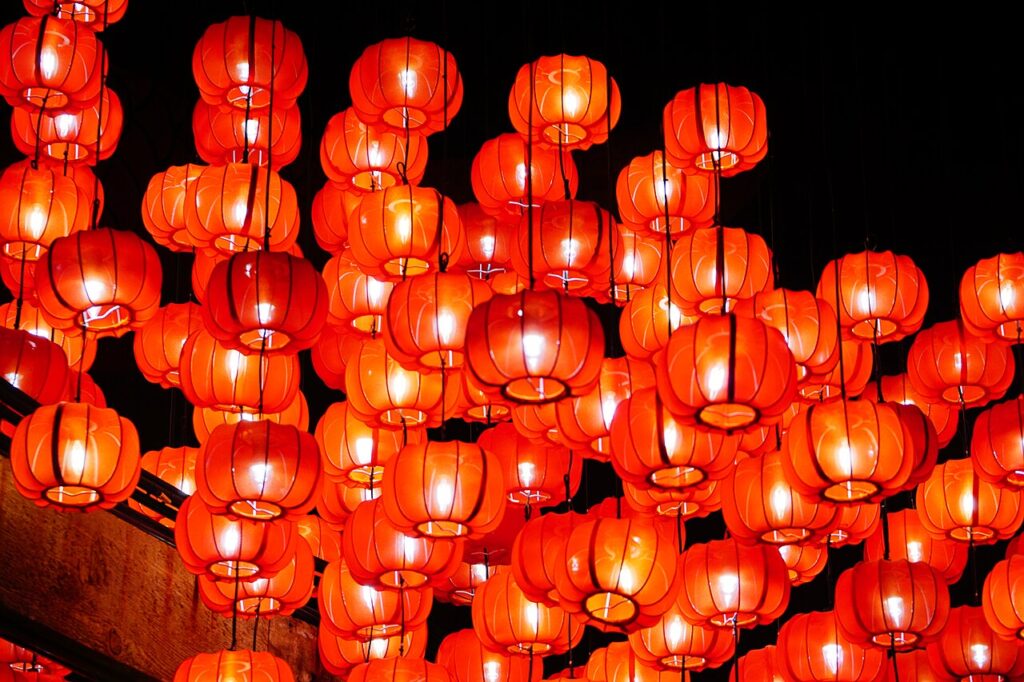
It is the biggest annual migration on Earth, a festival of lanterns, red envelopes and family reunions — and the Chinese New Year public holiday question gets a different answer in every country. In some places it brings a week-long national shutdown, while in others it passes as a cultural celebration with no day off at all. Here is the worldwide picture.
Where Chinese New Year Is a Public Holiday
In mainland China, the Spring Festival is the year’s defining holiday: seven consecutive days off (built from three statutory days plus adjusted weekends), during which hundreds of millions travel home in the famous chunyun migration. Hong Kong and Macau observe several days. Taiwan, Singapore, Malaysia, Vietnam (where it is called Tet and ranks as the year’s biggest holiday), Indonesia, Brunei and South Korea (Seollal) all grant public holidays, typically one to three days. Mongolia observes Tsagaan Sar, the Mongolian lunar new year. In these places, the holiday is not a quaint extra — it is the central event of the year, and everything from government offices to factories closes.
Where It Is Celebrated but Not a Day Off
In much of the Western world, Chinese New Year is a vibrant cultural festival without public-holiday status. London, New York, San Francisco, Sydney and Vancouver host spectacular celebrations — parades, lion dances, temple fairs — attended by millions, but offices and schools stay open. Some employers with large East Asian workforces offer floating leave, and some cities have debated formal recognition, but as a rule: if you want the day off in the West, you will likely need to use annual leave. The celebrations are no less spectacular for it; they are simply unofficial.
When Does It Fall? The Lunar Calculation
Chinese New Year follows the traditional lunisolar Chinese calendar, falling on the second new moon after the winter solstice — which places it somewhere between 21 January and 20 February each Gregorian year. The exact date moves annually, and each year carries one of the twelve zodiac animals in a twelve-year cycle. Because the date is lunisolar rather than fixed, long-range planning needs the year’s specific date: travel bookings for the Spring Festival period should be made months ahead, as prices peak and availability vanishes.
Travel and Business Implications
For travellers, Chinese New Year in Asia is both magical and logistically intense: lantern festivals and temple fairs are unforgettable, but trains, flights and hotels book out far in advance and prices surge. For businesses, the week-long shutdown in China means supply chains pause — factories close, ports slow, and nothing ships. Smart planners front-load orders to arrive before the holiday and avoid scheduling critical deadlines in the festival week. Whether it is a public holiday or not where you are, Chinese New Year’s global footprint makes it everyone’s calendar event.
One practical note for the diaspora and the curious alike: because the date moves each year, the festival can land anywhere from late January to mid-February, which changes its character — a late-January New Year feels like a winter festival, while a mid-February one brushes against Valentine’s Day and spring. Cities with big celebrations publish their parade and event dates weeks ahead, so check locally. And if you receive a red envelope (hongbao), accept it with both hands — it is good manners, and good luck.