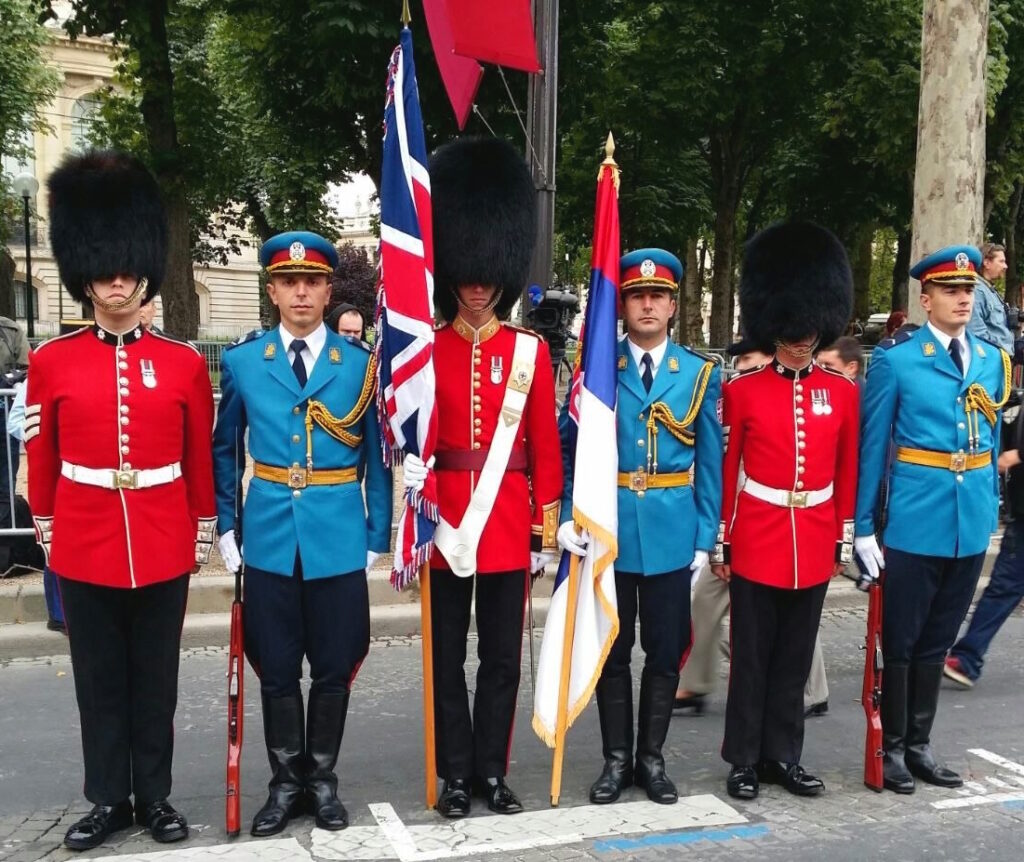
Bastille Day, known in France as la Fete nationale, is celebrated every July 14 and marks the storming of the Bastille prison in 1789, the dramatic opening act of the French Revolution. In 2026, July 14 falls on a Tuesday, and it is one of France’s eleven national public holidays, with government offices, banks, schools, and most businesses closed. The day is famous for Europe’s oldest and largest regular military parade down the Champs-Elysees and for fireworks over the Eiffel Tower that draw hundreds of thousands of spectators.
The Storming of the Bastille
On July 14, 1789, a Parisian crowd stormed the Bastille, a royal fortress and prison that symbolized the arbitrary power of King Louis XVI. Only seven prisoners were inside, but the symbolism was enormous: the people’s defiance of royal authority. Within weeks, the National Assembly had abolished feudalism and issued the Declaration of the Rights of Man and of the Citizen, the founding text of modern French republicanism. The revolution that followed was turbulent and often brutal, but July 14 endured as the date France chose to remember its birth as a modern nation. The holiday was officially established in 1880, nearly a century after the event.
The Parade and the Fireworks
The Bastille Day military parade is the oldest and largest regular military parade in Europe. It begins at the Arc de Triomphe and proceeds down the Champs-Elysees to the Place de la Concorde, with marching troops, cavalry, military vehicles, and a spectacular flypast by the Patrouille de France, trailing blue, white, and red smoke. The President of France reviews the parade, and foreign troops are sometimes invited to march, a gesture of alliance. In the evening, Paris hosts one of the world’s great fireworks displays, launched from the Eiffel Tower and the Trocadero, synchronized to music. An estimated half a million people watch from the Champ de Mars. In 2026, with the holiday on a Tuesday, expect the full traditional program.
How France Celebrates Beyond Paris
While Paris hosts the national ceremony, every French town holds its own celebration. Municipalities organize bals des pompiers, firefighters’ balls, on the evenings of July 13 and 14, street dances that are among the most beloved traditions of the French summer. Fireworks light up skies from Brittany to Provence, and village fetes feature games, concerts, and communal meals. The Marseillaise is sung everywhere. For the French, the day blends official republican ceremony with genuine popular festivity in a way few national days manage. It is both a commemoration of revolution and simply the height of summer celebration.
Holiday Status and Practical Notes
July 14 is a jour ferie, a full public holiday, confirmed for Tuesday, July 14, 2026. Public offices, banks, schools, and most shops close, though bakeries and small food shops often open in the morning. Public transport runs on a holiday schedule. In Paris, expect major road closures around the Champs-Elysees, the Arc de Triomphe, and the Eiffel Tower from early morning, with heavy security. The fireworks are free and open to all, but arrive hours early for a good spot on the Champ de Mars. For travelers, it is one of the finest days of the French year, and for business, treat it as a complete shutdown.