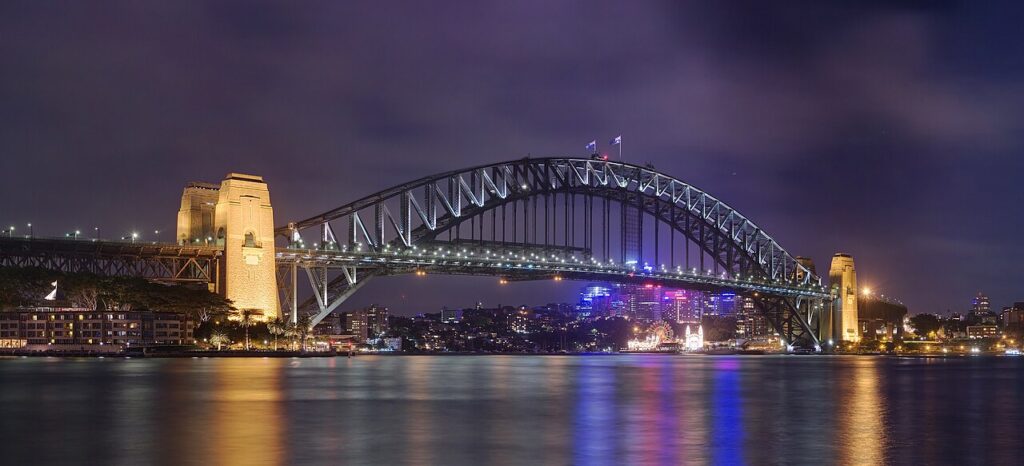
Australia Day, observed every January 26, is Australia’s national day and a public holiday across the country. In 2026, January 26 falls on a Monday, giving Australians a long weekend. The day marks the 1788 landing of the First Fleet at Sydney Cove and the raising of the British flag by Captain Arthur Phillip. It is also one of Australia’s most debated holidays, with growing numbers of Australians questioning whether the date is appropriate for national celebration. Understanding both the festivities and the controversy is essential to understanding modern Australia.
What January 26 Marks
On January 26, 1788, eleven British ships carrying convicts, marines, and officials arrived at Sydney Cove, establishing the first European settlement in Australia. For the British Empire it was the founding of a colony; for Aboriginal and Torres Strait Islander peoples, who had lived on the continent for at least 65,000 years, it was the beginning of dispossession, disease, and violence that devastated their societies. For most of Australian history, the day was celebrated straightforwardly as the nation’s birthday. But as awareness of the Indigenous experience has grown, so has the view that celebrating on the anniversary of invasion is, in the words of critics, like dancing on graves.
How Australia Celebrates
Traditional celebrations are exuberant. Citizenship ceremonies welcome thousands of new Australians, the Australian of the Year awards are announced, and cities host concerts, fireworks, ferry races on Sydney Harbour, and barbecues in parks nationwide. The flag flies everywhere, and many people wear green and gold or drape themselves in the national flag. In 2026, with the holiday on a Monday, expect the classic long weekend pattern: beaches packed, highways busy, and community events in every town. The celebrations are genuinely joyful and widely attended, reflecting real national pride.
The Debate: Change the Date
Alongside the celebrations, January 26 now brings large Invasion Day rallies in every major city, attended by tens of thousands, Indigenous and non-Indigenous alike. Protesters call it a day of mourning and demand the national day be moved to a date that all Australians can celebrate. Polls show the country divided, with younger Australians far more likely to support change. Some councils have stopped holding citizenship ceremonies on the day, and major retailers have faced boycotts over Australia Day merchandise. Proposals for alternative dates include May 8, mate, or the anniversary of Federation on January 1. The debate shows no sign of resolution, and January 26, 2026 will again feature both celebration and protest side by side.
Holiday Status and Practical Notes
Australia Day is a national public holiday, confirmed for Monday, January 26, 2026, observed in every state and territory. Government offices, banks, schools, and most businesses close, with public transport on holiday schedules. In Sydney and Melbourne, expect road closures near major event sites and large crowds at both celebrations and rallies. Visitors should be aware of the day’s dual character: enjoy the festivities, but understand that for many Australians, particularly First Nations people, it is a day of sorrow. Respectful engagement with both sides of the story offers the truest picture of contemporary Australia.
Planning tips
A good habit is to review the holiday list at the start of each quarter, mark the dates that affect your work or family plans, and note any bridge days where taking one extra day creates a long weekend. Remember that rules for pay, closures and observances differ by country, region and employer.
Use this guide as a starting point, compare it with the official source for your location and check again closer to the date, since announcements and local arrangements can change. Sharing the dates early with family, colleagues and customers also avoids last-minute surprises.