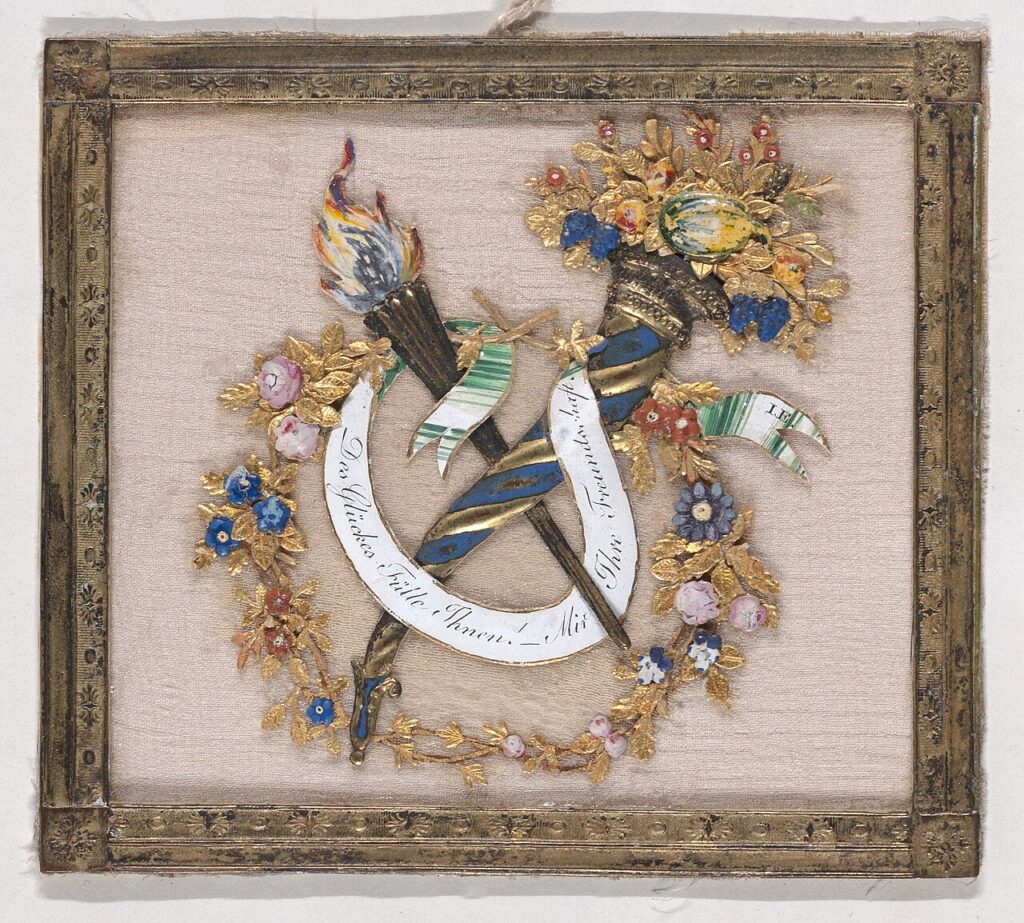
Holiday greetings across cultures are small phrases that carry surprising weight: Eid Mubarak, Merry Christmas, Shubh Diwali. Say the right one and you build an instant bridge; say the wrong one and you create an awkward moment. With workplaces and neighbourhoods more multicultural than ever, knowing what to say, and when, is a genuinely useful skill.
The major greetings and when to use them
For Christmas, Merry Christmas or Happy Holidays both work, with the latter preferred in diverse or professional settings. For Eid-ul-Fitr and Eid-ul-Adha, Eid Mubarak (Blessed Eid) is the universal greeting across the Muslim world. Diwali calls for Happy Diwali or Shubh Deepavali. For Chinese New Year, Gong Xi Fa Cai in Mandarin or Kung Hei Fat Choi in Cantonese, both wishing prosperity, are standard. Holi greetings run to Happy Holi or Holi Hai. For Easter, Happy Easter suffices in most Western contexts. When in doubt, the festival’s name preceded by happy or blessed is rarely wrong.
Greetings across the calendar
Some occasions need more care. During Ramadan, Ramadan Mubarak or Ramadan Kareem are appropriate throughout the month, not just at its start. For the Day of Arafat and Ashura, greetings are more solemn and often best left to those observing. Jewish holidays like Rosh Hashanah call for Shana Tova, while for Hanukkah, Happy Hanukkah works. The key principle is specificity: a generic Seasons Greetings is safe but impersonal, while the correct specific greeting shows you paid attention. In professional settings, mirroring the greeting someone offers you is the safest strategy of all.
Mistakes to avoid
The most common error is the premature greeting: wishing someone Eid Mubarak weeks before the moon is sighted, or Happy Diwali a month early. Another is the assumed greeting: not everyone celebrating in December observes Christmas, which is why Happy Holidays exists. Avoid religious greetings for solemn observances like Ashura or Good Friday, where a respectful acknowledgment beats a cheerful phrase. And be careful with transliteration: Eid Mubarak has a standard spelling, but rendering it creatively can look careless. When unsure, a warm, simple acknowledgment of the occasion is always better than a confidently wrong phrase.
Why it matters
Greetings are low-cost, high-impact social signals. In diverse teams, the colleague who remembers Eid, Diwali, or Lunar New Year stands out as attentive and respectful. For businesses, getting festive messaging right in marketing avoids the annual crop of greeting-related public relations disasters. And on a personal level, learning a friend’s holiday greeting is one of the simplest ways to honour their traditions. The calendar gives us dozens of chances each year to get this right; each one is an opportunity to connect.
Greetings at work
Workplace greetings deserve special care because the audience is captive and diverse. Company-wide festive messages should acknowledge the season without assuming everyone’s observance: Seasons Greetings or Happy Holidays for December, Ramadan Mubarak during the holy month, and specific greetings for festivals widely observed by the team. Managers should learn the key dates for their direct reports’ traditions; a personal Eid Mubarak or Happy Diwali from a boss is remembered far longer than any corporate email. Avoid scheduling mandatory celebrations on days some staff cannot fully participate in, and never make festive participation compulsory. The most inclusive workplaces treat the year’s festivals as a shared calendar of learning opportunities rather than a minefield, and the tone is set from the top.