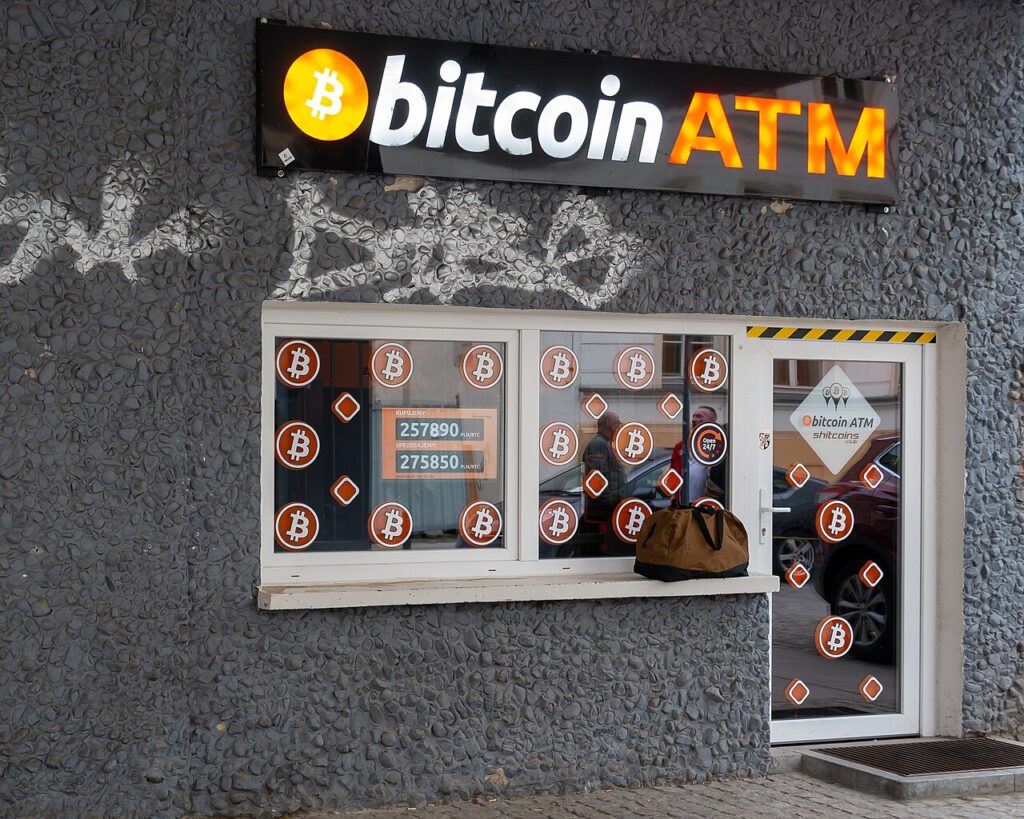
When banks close for Christmas or Eid, stock markets shut and currency trading pauses. But what about Bitcoin and other cryptocurrencies? Do public holidays affect crypto markets, or does the world’s first always-on asset class simply ignore the calendar? The answer reveals a fundamental difference between traditional and digital finance.
Crypto never closes
Unlike stock exchanges, which close on public holidays, cryptocurrency markets operate 24 hours a day, 365 days a year. There is no closing bell on Christmas Day, no pause for Eid, no halt for Thanksgiving. Bitcoin blocks are produced roughly every ten minutes regardless of what the calendar says, and exchanges match trades around the clock. This is by design: decentralised networks have no headquarters to close and no staff to send home. A public holiday in any single country, or even every country at once, cannot stop the network.
But holidays still move prices
Continuous trading does not mean holidays are irrelevant. Trading volumes often dip during major holidays as institutional desks wind down and retail traders spend time with family; thinner order books can amplify price swings, making holiday weekends surprisingly volatile. The most famous example is the tendency for notable crypto moves over the Christmas-New Year stretch, when low liquidity meets year-end portfolio decisions. Tax-related selling around fiscal year-ends in various countries also clusters near holidays. So while the market never closes, the humans trading in it still take holidays, and their absence shows up in the charts.
The on-ramp problem
The bigger holiday effect is on the bridges between crypto and traditional money. Buying crypto with a bank transfer on Christmas Day can stall because the banking system is closed, even though the exchange itself is running. Fiat deposits, withdrawals, and card payments all depend on banks and payment processors that observe public holidays. Stablecoin transfers between crypto wallets work fine, but moving fresh money in or out can face delays. Anyone planning a large holiday-period transaction should fund their account beforehand.
What this means for holiday planners
If you hold crypto, public holidays require no action: the network looks after itself. If you trade actively, be aware that holiday weekends can bring choppy, low-volume markets where stop-losses trigger more easily. And if you need to move money between your bank and an exchange, do it before the holiday shutdown, not during it. The calendar that matters for crypto is not the list of public holidays but your own schedule: the market will be there whenever you return, ticking away through every Christmas, Eid, and Diwali without pause.
Stablecoins and holiday remittances
One place where crypto and holidays meet constructively is remittances. Migrant workers sending money home for Eid, Diwali, or Christmas have traditionally faced closed banks, slow wires, and painful fees over holiday periods. Stablecoins, which transfer on-chain in minutes regardless of bank holidays, offer an alternative that is genuinely useful when the traditional system pauses. Adoption is growing fastest in corridors where holidays regularly disrupt remittance flows, such as Gulf-to-South-Asia transfers around Eid. The volatility caveat still applies, stablecoins can wobble from their pegs in stressed markets, and regulations vary widely. But as a practical tool for moving value when banks are closed, holiday-proof money is one of crypto’s most compelling real-world uses.