South Asian festivals fill the calendar with colour, from Eid to Diwali to Holi, but their public holiday status varies widely between Pakistan, India, and their neighbours. But which ones actually close offices and schools, and which are celebrated without a day off? The answer varies between Pakistan and India, and even between different states and provinces. This guide explains the public holiday status of the region’s major festivals, with 2026 dates where officially announced.
Eid-ul-Fitr and Eid-ul-Azha: public holidays in both countries
The two Eids are the most widely observed public holidays across South Asia’s Muslim communities. In Pakistan, Eid-ul-Fitr is expected around March 21 to 23, 2026, with the middle date coinciding with Pakistan Day, and Eid-ul-Azha around May 27 to 29. Both are expected dates subject to moon sighting, and Pakistan typically grants multiple days for each. In India, Id-ul-Fitr is expected around March 21 and Id-ul-Zuha (Bakrid) on May 28, 2026, and both appear on the central government’s gazetted holiday list. Banks, government offices, and most businesses close in both countries.
Diwali and Holi: festival holidays with wide observance
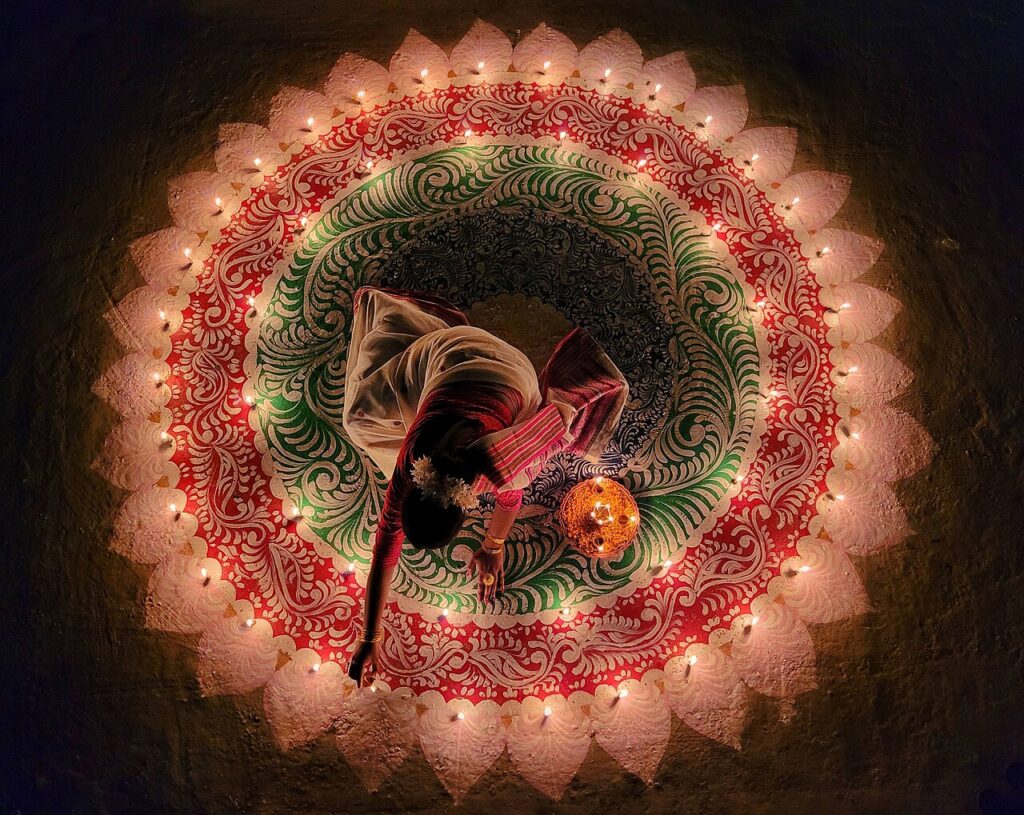
Diwali, the festival of lights, falls on November 8, 2026, and is a gazetted public holiday across India. In Pakistan it is celebrated by Hindu communities but is not a national public holiday. Holi, the festival of colours, falls on March 4, 2026, and is a public holiday in most Indian states, though a few states treat it as a restricted rather than gazetted holiday. Both festivals illustrate an important point: a festival’s cultural importance does not always equal a day off everywhere. Always check the state or provincial notification, not just the national list.
National days with festival-like fervour
Some of South Asia’s biggest celebrations are secular national days. Pakistan’s Independence Day on August 14 and India’s on August 15 are both full public holidays marked with flag ceremonies, parades, and patriotic displays. Pakistan also observes Kashmir Day on February 5, Iqbal Day on November 9, and Quaid-e-Azam Day on December 25, all as public holidays. India’s Republic Day on January 26 and Gandhi Jayanti on October 2 carry similar nationwide status. These dates are fixed on the Gregorian calendar, so they are the easiest to plan around years in advance.
Why holiday status varies so much
Three factors explain the variation. First, religion: Islamic festivals follow the lunar calendar and their exact dates depend on moon sighting, while Hindu festivals follow lunisolar calculations. Second, federalism: India’s states and Pakistan’s provinces can add or subtract regional holidays. Third, demography: a festival widely celebrated in one region may be a minor observance in another. The practical takeaway is simple: never assume a festival means a day off. Check the official gazette for your specific state, province, or territory, and for lunar festivals, wait for the official moon-sighting announcement before making firm plans.
Tracking South Asian festival dates year to year
Because so many South Asian festivals follow lunar or lunisolar calendars, their Gregorian dates shift every year, and the only reliable sources are official ones. For Pakistan, the Cabinet Division’s annual holiday notification and the Ruet-e-Hilal Committee’s moon-sighting announcements are definitive. For India, the Department of Personnel and Training’s yearly memorandum lists gazetted holidays, while state governments publish their own regional calendars. Hindu festival dates like Diwali and Holi follow the panchang, the traditional almanac, and most families check with their local temple for the exact day. A practical routine works well: note the expected dates early in the year from these official sources, then confirm lunar dates in the final week before the festival. Social media graphics announcing festival dates are frequently wrong or recycled from previous years, so treat them as rumours until an official source agrees.