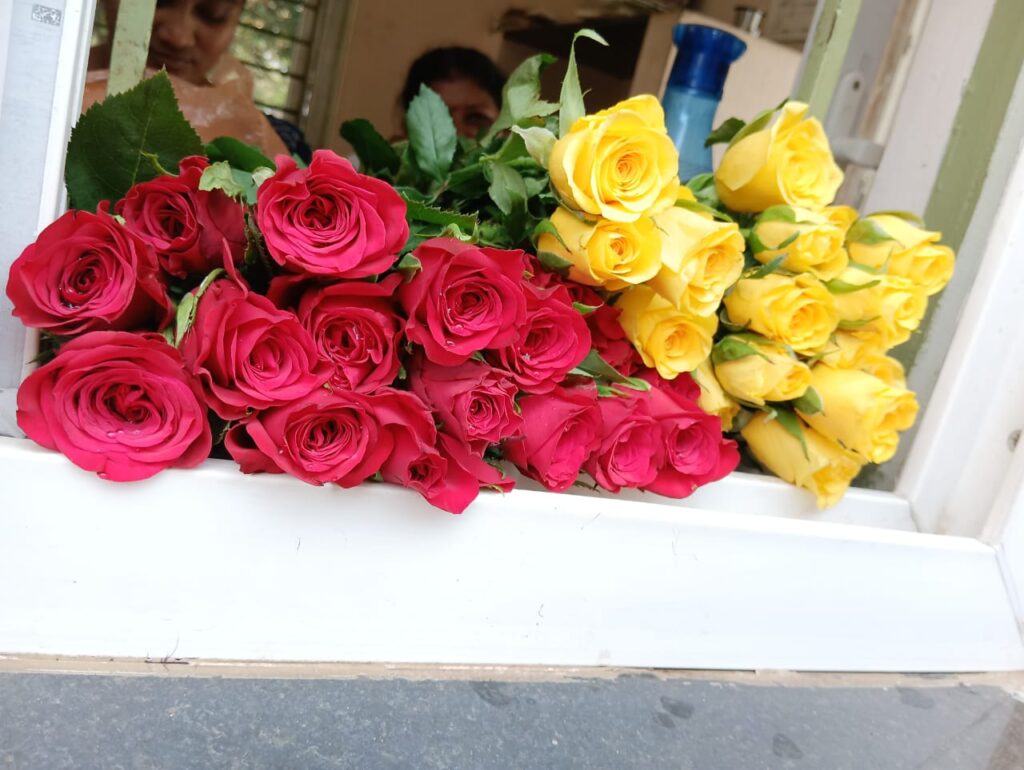
Is Valentine’s Day a public holiday? No — not in any country. February 14 is a normal working day everywhere in the world, from the United States to Japan to Pakistan. No government grants a day off for romance, no banks close for flowers, and no school calendar marks it as a holiday. Like Halloween, Valentine’s Day is a cultural and commercial phenomenon of enormous scale that has never been translated into official time off — and almost certainly never will be.
Why Romance Never Made the Official Calendar
Public holidays exist to commemorate shared national, religious, or historical milestones — the kind of events a state wants its citizens to pause for collectively. Valentine’s Day, whatever its distant roots in the Roman festival of Lupercalia or the legend of Saint Valentine, functions today as a private celebration between partners, amplified by the greeting-card, flower, and chocolate industries. There is no civic reason for the state to halt: no independence was won, no faith’s pivotal event occurred, no national figure was born.
Contrast this with the holidays that do make the calendar in mid-February. The US observes Washington’s Birthday (February 16, 2026) as a federal holiday. Pakistan observes Kashmir Day on February 5, and Saudi Arabia celebrates Founding Day on February 22. These are the kinds of observances — national history, state formation — that earn days off. A day for couples, however beloved, simply does not compete in that category.
How the World Celebrates Anyway
The absence of official status has hardly dented Valentine’s Day. In the US and UK, it is one of the biggest retail events of the year, with billions spent on flowers, jewelry, cards, and dinners. Japan has its own distinctive twist: on February 14, women give chocolate to men, and exactly one month later, on March 14 (“White Day”), men reciprocate — a two-part commercial tradition with no holiday status on either date. South Korea stretches the concept even further, marking the 14th of every month with a romance-themed day (including the famously gloomy “Black Day” on April 14 for singles).
In more conservative societies, Valentine’s Day can be controversial. Saudi Arabia historically discouraged public Valentine’s celebrations, though social attitudes have relaxed markedly in recent years as the Kingdom has opened up culturally. In parts of Pakistan and India, the day passes quietly among those who observe it, with celebrations kept private. None of this affects the working calendar — February 14 remains business as usual.
Planning Around February 14
Since there is no day off, the practical advice is simple: if you are planning a romantic dinner, book well in advance — restaurants in major cities fill up weeks ahead, and prices peak. If you are traveling, expect normal transport schedules and open attractions. And if you were hoping for a long weekend, look instead to the genuine February holidays in our 2026 data: Kashmir Day (February 5, Pakistan), Washington’s Birthday (February 16, US), and Saudi Founding Day (February 22) are the real days off in the season of love.
Planning tips
A good habit is to review the holiday list at the start of each quarter, mark the dates that affect your work or family plans, and note any bridge days where taking one extra day creates a long weekend. Remember that rules for pay, closures and observances differ by country, region and employer.
Use this guide as a starting point, compare it with the official source for your location and check again closer to the date, since announcements and local arrangements can change. Sharing the dates early with family, colleagues and customers also avoids last-minute surprises.