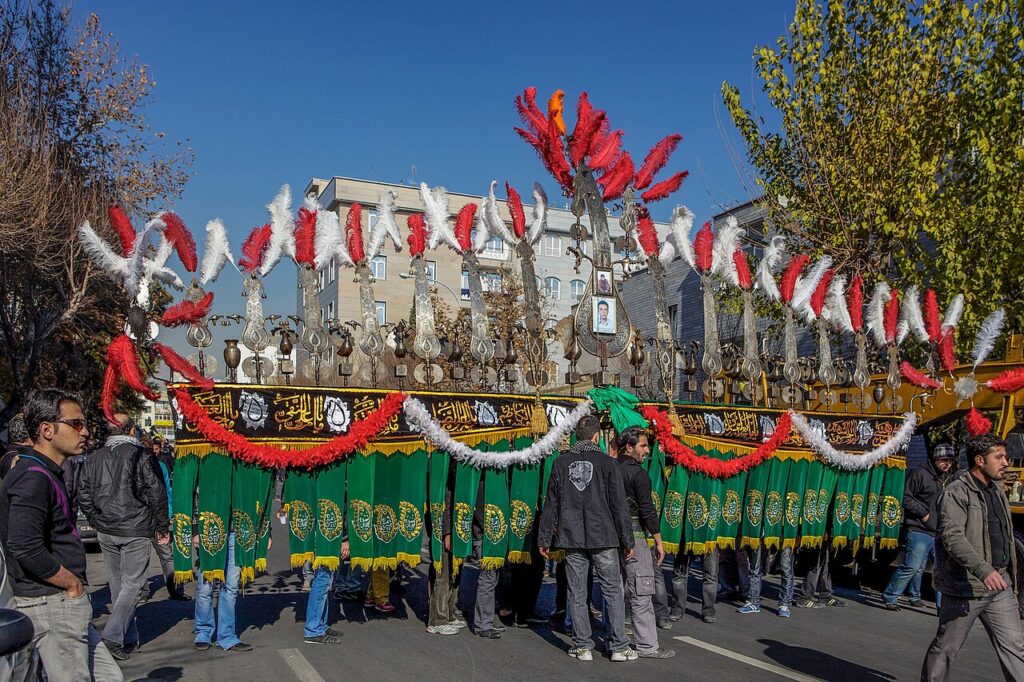
Ashura, observed on the 9th and 10th of Muharram, is one of the most significant dates in the Islamic calendar, marked very differently by Sunni and Shia Muslims. In Pakistan, both days are public holidays: in 2026 they are expected on June 24 and 25, though the dates depend on moon sighting and remain tentative until officially announced. Understanding Ashura means understanding two parallel traditions of remembrance, one focused on prophetic history and fasting, the other on mourning and sacrifice.
The 10th of Muharram in History
For Sunni Muslims, Ashura commemorates several events, most notably the day God saved Moses and the Israelites from Pharaoh, which is why fasting on this day is recommended, following the Prophet Muhammad’s practice. For Shia Muslims, Ashura marks the martyrdom of Imam Hussain ibn Ali, the Prophet’s grandson, who was killed with his family and companions at the Battle of Karbala in 680 CE after refusing to pledge allegiance to the Umayyad caliph Yazid. The tragedy of Karbala is the defining event of Shia identity, remembered as the ultimate stand of justice against tyranny. Both traditions give the day immense weight, which is why it is observed so widely.
Public Holiday Status in 2026
In Pakistan, Ashura is observed as a two-day public holiday covering 9th and 10th Muharram, expected on June 24 and 25, 2026, subject to the official moon-sighting announcement. Government offices, banks, schools, and the stock exchange close on both days. India observes Muharram as a gazetted holiday, expected around June 26, 2026, also tentative. Several other countries with significant Muslim populations, including Bangladesh and parts of the Gulf, mark the day officially. Security is typically heightened in Pakistan during Muharram, with procession routes protected and mobile services sometimes restricted in sensitive areas, measures that visitors should be aware of when planning travel.
How Ashura Is Observed
Sunni observance centers on fasting, with many Muslims fasting on the 9th and 10th, or the 10th and 11th, of Muharram, along with extra prayer and charity. Shia observance is far more public and emotional: processions fill the streets of Karachi, Lahore, Lucknow, and cities across the Muslim world, with participants carrying alam standards and taziya replicas of Hussain’s tomb. Majalis, mourning gatherings, recount the events of Karbala in sermons and elegiac poetry, and many participants engage in ritual chest-beating as an expression of grief. The atmosphere is solemn and deeply moving, even for outside observers. Food and water are distributed free along procession routes in the spirit of Hussain’s suffering from thirst at Karbala.
Planning Around Ashura 2026
Expect June 24 and 25, 2026 to be full holidays in Pakistan, with closures across government, banking, and education. Major roads in city centers may be closed for processions, particularly in Karachi, Lahore, Rawalpindi, and Peshawar, so plan travel accordingly and allow extra time. Visitors are welcome to observe the processions respectfully from the sidelines; dress modestly and follow local guidance. Because the dates hinge on moon sighting, confirm them through official announcements as Muharram approaches rather than relying on advance calendars alone.
An important note for the calendar: because Muharram is a lunar month, Ashura moves about ten days earlier each Gregorian year, so the June dates of 2026 will drift into May in coming years. This shift is worth remembering for long-term planning. The tentative label reflects the moon-sighting process, and final confirmation typically comes just days before Muharram begins, so watch official announcements.