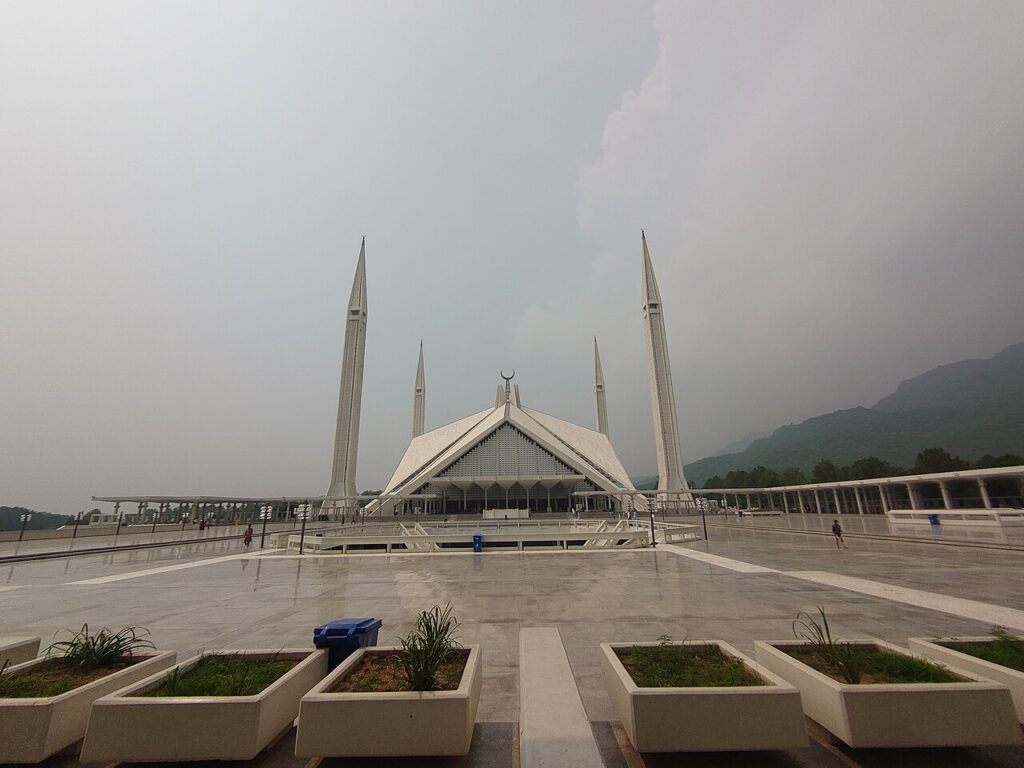
Two neighbours, two richly layered calendars, one shared rhythm of Eids, national days and harvest festivals. South Asia public holidays 2026 centre on Pakistan and India — together home to over 1.6 billion people — whose holiday calendars reflect Islamic, Hindu, Sikh, Christian and secular traditions side by side. Here is the complete 2026 roundup for both countries.
Pakistan’s 2026 Public Holidays
Pakistan’s officially announced 2026 calendar includes: Kashmir Day on 5 February; Eid-ul-Fitr on 21–23 March (tentative; 23 March is also Pakistan Day); Labour Day on 1 May; Eid-ul-Azha on 27–29 May (tentative); Ashura (9th–10th Muharram) on 24–25 June (tentative); Independence Day on 14 August; Eid Milad-un-Nabi on 25 August (tentative); Iqbal Day on 9 November; Quaid-e-Azam Day and Christmas Day on 25 December; and the day after Christmas on 26 December (for Christian employees). The religious dates depend on moon sighting by the Ruet-e-Hilal Committee and should be treated as provisional until announced.
India’s 2026 Public Holidays
India’s central gazetted list for 2026 is longer and more diverse, reflecting the country’s plural traditions: Republic Day on 26 January; Holi on 4 March; Id-ul-Fitr on 21 March (tentative); Ram Navami on 26 March; Mahavir Jayanti on 31 March; Good Friday on 3 April; Dr. B.R. Ambedkar Jayanti on 14 April; Buddha Purnima on 1 May; Id-ul-Zuha (Bakrid) on 28 May; Muharram on 26 June (tentative); Independence Day on 15 August; Milad-un-Nabi on 26 August (tentative); Janmashtami on 4 September; Mahatma Gandhi Jayanti on 2 October; Dussehra on 20 October; Diwali on 8 November; Guru Nanak Jayanti on 24 November; and Christmas Day on 25 December. States add their own regional holidays on top — always check your state’s notification for the complete picture.
Shared Rhythms, Different Systems
Both countries’ calendars pivot on the same two Eids — expected around late March and late May 2026 — creating the year’s biggest travel surges on both sides of the border. But the systems differ: Pakistan runs a single national list (provinces adopt it), while India layers a central gazetted list, a restricted-holiday list employees choose from, and separate state lists. Pakistan’s calendar is more compact; India’s is more plural. Both treat the Islamic dates as tentative pending moon sighting.
Planning Tips for 2026
For travel, the Eid weeks and — in India — the Diwali week (early November 2026) are the peak periods: book transport and accommodation months ahead. For business, note that the late-May Eid-ul-Azha/Bakrid period slows both countries simultaneously — a useful synchronisation for regional planning. And for the tentative religious dates in both countries, keep a buffer day and follow the official announcements (Pakistan’s Ruet-e-Hilal Committee; India’s respective authorities) rather than social media. South Asia’s festival calendar rewards those who plan around it — and punishes those who don’t.
One last thought: the two countries’ calendars are a reminder of how holidays encode history — Partition-era national days, Mughal-era festivals, colonial-era observances and ancient lunar traditions all sharing the same year. Reading the calendar is, in a small way, reading the region itself.
Planning tips
Before you plan around a holiday, check three things: the official date for your country or region, whether a weekend holiday is carried over to a weekday, and which services stay open. Banks, schools, government offices and public transport often follow different timetables, so a quick check saves a wasted trip.
Use this guide as a starting point, compare it with the official source for your location and check again closer to the date, since announcements and local arrangements can change. Sharing the dates early with family, colleagues and customers also avoids last-minute surprises.