Martin Luther King Jr. Day is a United States federal holiday honoring the civil rights leader who changed the course of American history. In 2026, it falls on Monday, January 19, the third Monday of January. As a federal holiday, it closes federal offices, banks, post offices, and most schools, while giving millions of Americans a day dedicated not just to rest but to service. Few American holidays carry such an explicit moral charge, which is exactly what makes MLK Day different from every other day off on the calendar.
The Man Behind the Holiday
Martin Luther King Jr. was born on January 15, 1929, in Atlanta, Georgia. A Baptist minister, he became the most visible leader of the American civil rights movement, preaching nonviolent resistance to racial segregation. His 1963 March on Washington and the immortal I Have a Dream speech helped build the political momentum that produced the Civil Rights Act of 1964 and the Voting Rights Act of 1965. He was awarded the Nobel Peace Prize in 1964. On April 4, 1968, he was assassinated in Memphis, Tennessee, where he had gone to support striking sanitation workers. He was 39 years old.
A Long Road to a National Holiday
The campaign for a King holiday began almost immediately after his death, led by his widow Coretta Scott King and by Representative John Conyers, who introduced the first bill just days after the assassination. It took fifteen years of pressure, petitions, and Stevie Wonder’s famous Happy Birthday campaign song before President Ronald Reagan signed the holiday into law in 1983. The first nationwide observance came in 1986. Remarkably, it was not until 2000 that all fifty states officially recognized the day, with Arizona, New Hampshire, and South Carolina the last to comply. That long struggle is part of why the holiday feels earned rather than merely declared.
A Day On, Not a Day Off
In 1994, Congress designated MLK Day as a national day of service, and the slogan a day on, not a day off has defined it ever since. Across the country, Americans volunteer at food banks, clean up neighborhoods, mentor students, and join community projects. Parades and commemorative marches are held in dozens of cities, and the King Center in Atlanta hosts major events. Schools that remain open often use the day for lessons on civil rights history. For federal employees it is a paid holiday, and most banks and post offices close, though private businesses decide individually. In 2026, with the holiday falling on January 19, expect the usual mix of service projects and remembrance ceremonies nationwide.
Planning Around the Holiday
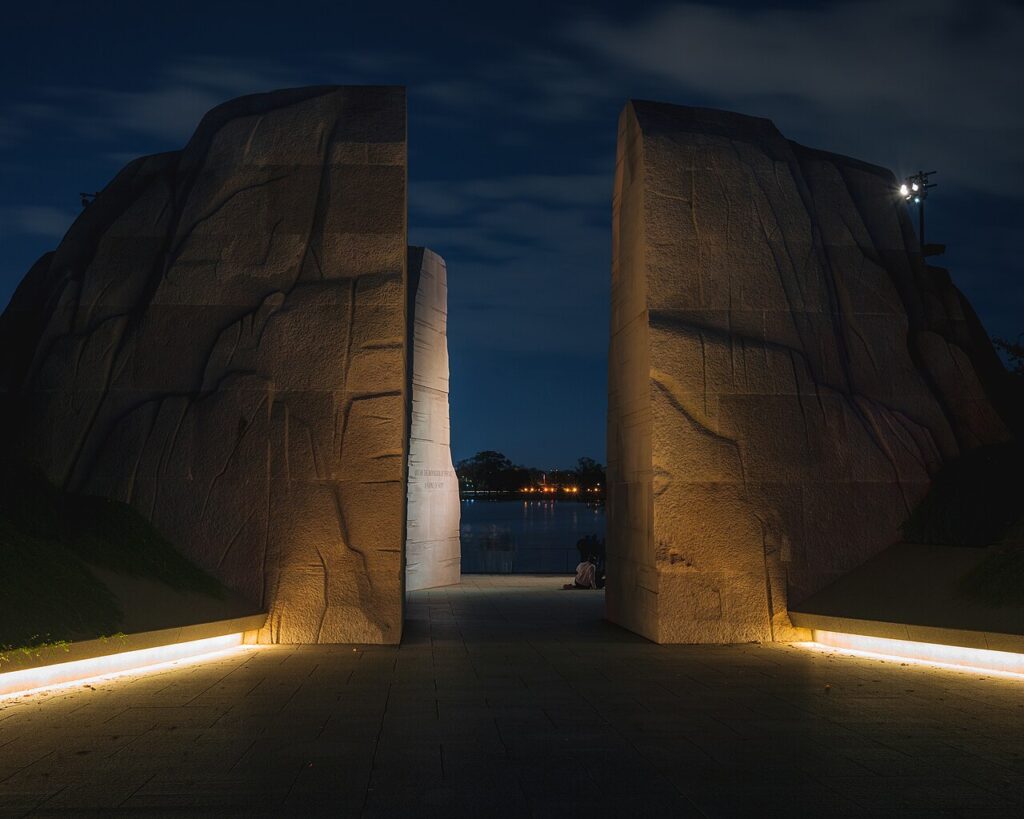
If you need federal services, remember that January 19, 2026 is a full closure day for government offices, courts, and the postal service. Banks following the Federal Reserve calendar will be closed, and the stock markets do not trade. Travel is generally normal, though some cities host large parades that close downtown streets. For visitors, the day offers a powerful lens on American civic life: the National Civil Rights Museum in Memphis and the King memorials in Atlanta and Washington draw their largest crowds of the winter on this weekend.