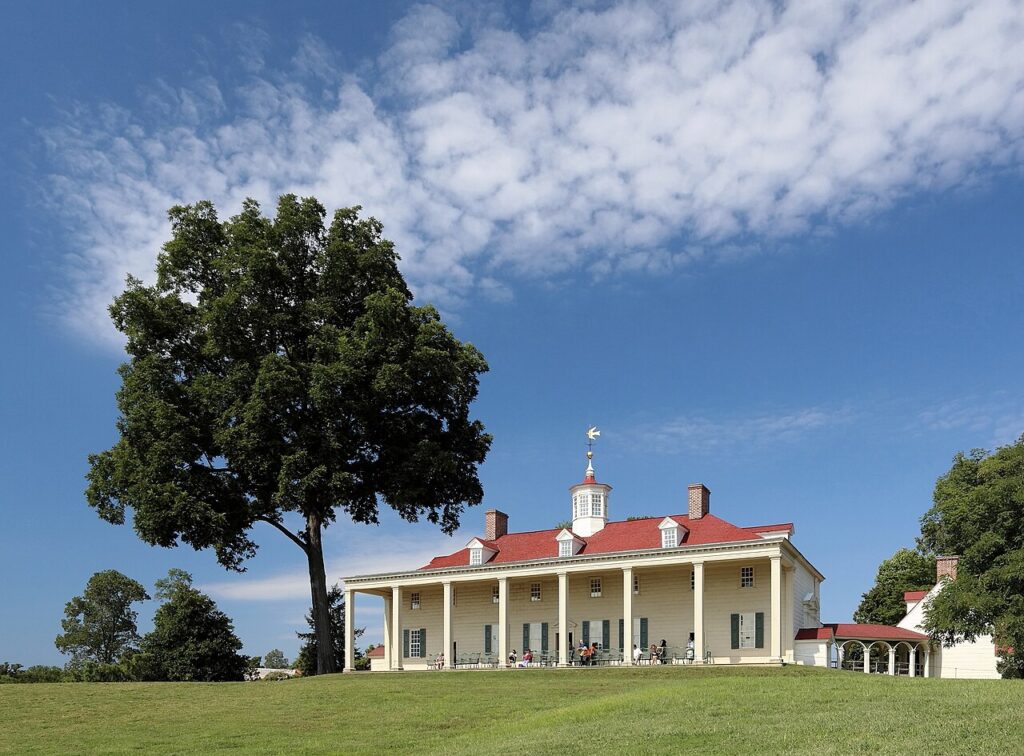
Washington’s Birthday, widely known as Presidents’ Day, is a United States federal holiday observed on the third Monday of February. In 2026, it falls on Monday, February 16. The holiday officially honors George Washington, the first president, whose actual birthday was February 22, but in popular usage it has become a day celebrating all American presidents. It is also one of the biggest retail sale weekends of the year, which sometimes overshadows its civic origins.
From Washington’s Birthday to Presidents’ Day
George Washington’s birthday was celebrated informally during his lifetime and became a federal holiday in 1879 for government offices in Washington, D.C., later expanding nationwide. For nearly a century it was observed on February 22, Washington’s actual birthday. The Uniform Monday Holiday Act of 1968 moved it to the third Monday in February to create more three-day weekends, and the change took effect in 1971. Because Abraham Lincoln’s birthday, February 12, falls nearby, retailers and the public gradually merged the two into Presidents’ Day, though the federal holiday’s official name remains Washington’s Birthday. A quirk of the calendar: the holiday can never actually fall on Washington’s real birthday, since the third Monday of February always lands between the 15th and the 21st.
What Closes on Presidents’ Day
As a federal holiday, February 16, 2026 closes federal offices, courts, and post offices. Banks generally follow the Federal Reserve schedule and close, and stock and bond markets do not trade. Public schools in most states are closed, though some districts hold classes. State observance varies: a few states officially call it Presidents’ Day, some add local figures, and a handful do not observe it as a paid holiday at all. Private businesses mostly stay open, and indeed the weekend is famous for car dealership and mattress sales, a commercial tradition dating back decades.
How Americans Mark the Day
Compared with Independence Day or Memorial Day, Presidents’ Day is a quiet holiday. There are no nationwide parades or fireworks. Commemorations tend to be local and educational: wreath-laying at the Washington Monument, events at Mount Vernon in Virginia, and museum programs about the presidency. Schools that assign holiday homework often focus on presidential history. For many families, it is simply a welcome winter three-day weekend, a pause between New Year’s and the spring holidays. In 2026, with the holiday on February 16, expect the usual pattern: closed government, open malls, and history lessons for anyone who seeks them out.
The Name Debate
Whether to call it Washington’s Birthday or Presidents’ Day is a small but persistent American argument. Purists note that the federal law says Washington’s Birthday and that renaming it diminishes the specific honor to the founder. Pragmatists reply that the public already treats it as a celebration of the presidency as an institution, and that honoring Lincoln alongside Washington reflects how Americans actually use the day. Both names appear on calendars, and neither is going away. Whatever you call it, February 16, 2026 is a federal holiday, and that is the part that affects your plans.
One curious footnote: because the holiday always falls on the third Monday of February, it occasionally overlaps with Valentine’s Day promotions, creating the odd spectacle of mattress sales advertised alongside presidential portraits. Retailers have leaned into the theme for decades, and the Presidents’ Day sale is now as fixed a part of American commercial life as the holiday is of civic life. In 2026, expect the usual barrage of advertisements promising historic savings.