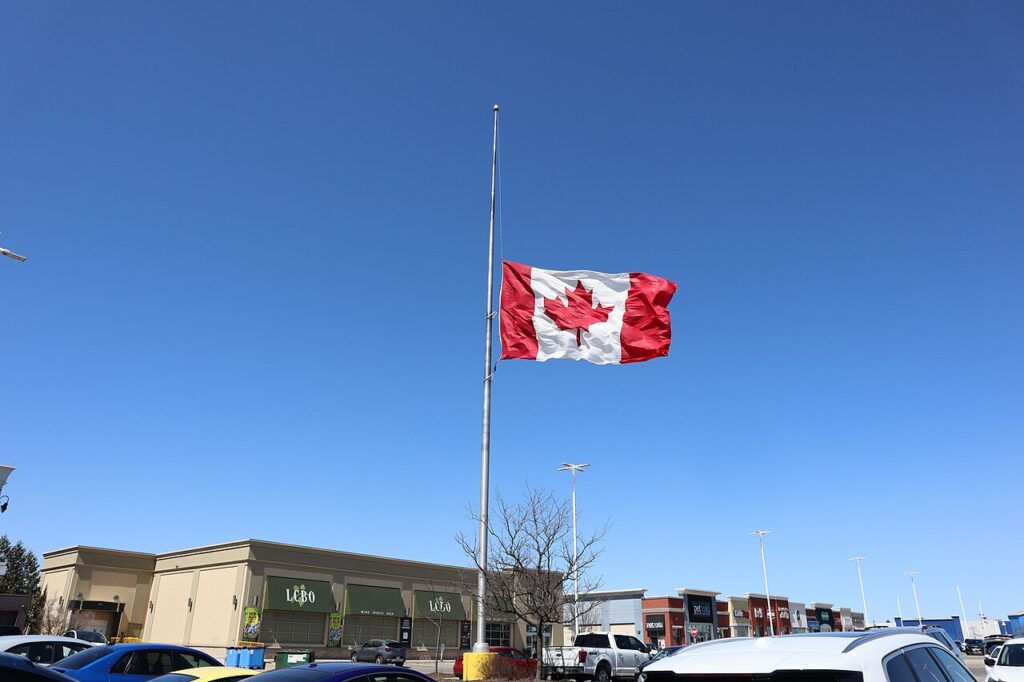
When a monarch dies or a national tragedy strikes, countries sometimes declare a national day of mourning. Offices may close, flags fly at half-mast, and television schedules change overnight. But how do mourning days actually work, and are they the same as public holidays? The answer varies more than you might expect.
What a mourning day is
A national mourning day is an officially declared period, usually one to several days, marking the death of a head of state or a major tragedy. Unlike regular public holidays, mourning days are declared reactively, often with just days of notice. The most prominent recent example was the UK’s response to the death of Queen Elizabeth II in September 2022: a national bank holiday was declared for her state funeral, closing schools, banks, and many businesses. The declaration turned a moment of national grief into a shared pause, watched by billions.
Do you get the day off?
It depends entirely on the declaration. Some mourning days are full public holidays with closures, like the UK’s 2022 funeral bank holiday. Others are symbolic: flags at half-mast and cancelled entertainment, but offices open as usual. In many countries, the government announces a mourning period during which official events are suspended, while leaving private employers to decide. Pakistan, India, and Gulf states have all declared mourning days for the deaths of leaders and victims of tragedies, with the practical effects spelled out in each notification. Always read the specific announcement rather than assuming.
How they differ from public holidays
Three differences matter. First, timing: public holidays are scheduled years ahead, while mourning days arrive without warning, which is why contingency planning matters for businesses. Second, tone: mourning days suspend celebration, with sporting fixtures postponed and entertainment venues closed or darkened, whereas public holidays often invite festivity. Third, scope: a mourning declaration may apply only to government institutions, leaving the private sector to choose. These distinctions explain why two mourning days in different countries can feel completely different on the ground.
What to do when one is declared
If a national mourning day is announced where you live or travel, expect disruption: check whether your specific services, flights, banks, and events are affected, since blanket assumptions fail. Dress and behaviour codes may apply at official venues. For employers, the key question is whether the declaration mandates closure or merely recommends observance; HR departments usually clarify within hours. Mourning days remind us that the holiday calendar has a solemn dimension too: sometimes the whole country stops, not to celebrate, but to grieve together.
Mourning days versus moments of silence
Not every official act of mourning stops the country. Below the full mourning day sits a ladder of lesser observances: the minute’s silence, the flag at half-mast, the cancelled concert. A minute’s silence, observed at a fixed time across a nation, creates shared solemnity without economic disruption, which is why it is the most common response to distant tragedies. Flags at half-mast signal official grief while life continues. Full mourning days with closures are reserved for the most significant losses, typically heads of state or national catastrophes. Understanding this ladder helps interpret announcements correctly: a half-mast flag does not mean the banks are closed, and a minute’s silence does not mean the schools are shut. Each rung means something different.