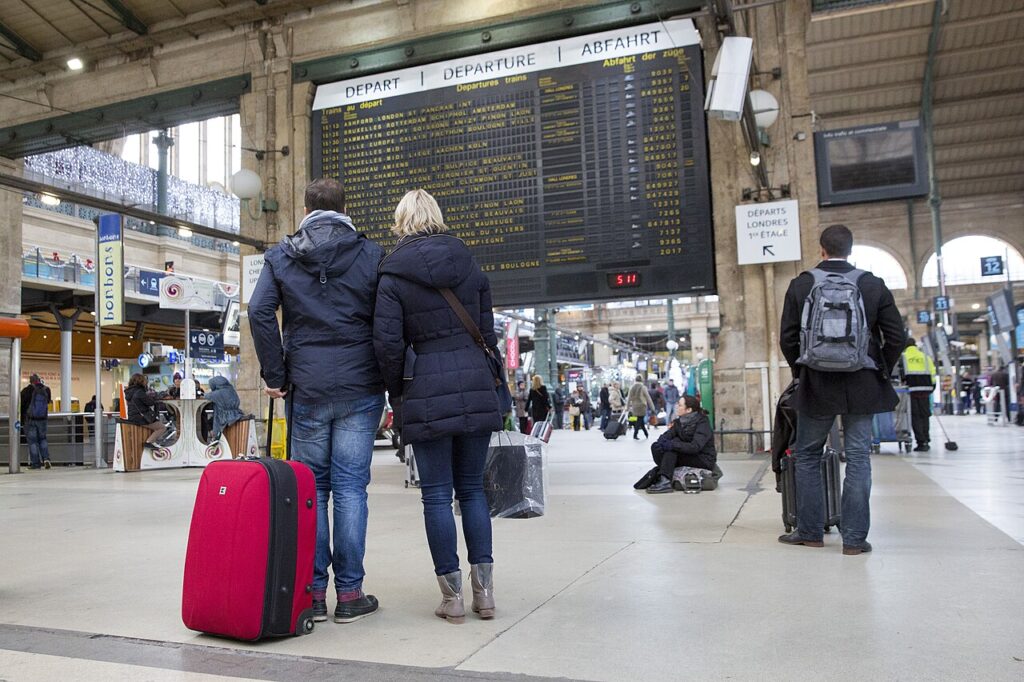
Traveling on public holidays sounds appealing — everyone else has the day off, so why not you? But holiday travel comes with its own rules: packed airports, premium prices, closed attractions and transport running on skeleton schedules. This guide covers what to know before you set off on a public holiday, so the trip lives up to the plan.
Expect crowds — and plan around them
The single biggest factor in holiday travel is that everyone has the same idea. The Fridays before long weekends and the Sundays or Mondays after them are consistently the busiest travel days of the year. Airports, train stations and highways all peak at these times. If your dates are flexible, travelling on the holiday itself — say, the morning of the public holiday rather than the evening before — is often noticeably calmer and sometimes cheaper.
Accommodation follows the same pattern. Hotels in tourist areas raise prices for holiday weekends and sell out first. Booking early is the only reliable defence; last-minute holiday-weekend bookings are where budgets go to die.
Check what is open at your destination
A public holiday at home does not mean a public holiday where you are going — and vice versa. Before travelling, check three things:
- Attractions and museums: Many close on major holidays (especially religious ones) or run reduced hours.
- Restaurants and shops: In some countries nearly everything shuts on days like Christmas or Eid; in others, holiday trading is normal.
- Public transport: Buses, trains and metros frequently run on Sunday or holiday timetables, with less frequent service.
Religious holidays deserve particular attention. During Eid, for example, many businesses in Muslim-majority countries close for several days, while tourist infrastructure in resort areas usually keeps running. During Christmas in Europe, even major cities can go quiet for 24–48 hours.
Transport timetables change
Never assume normal schedules on a public holiday. Airlines generally operate full schedules (holiday weekends are profitable), but ground transport is a different story: fewer buses, reduced train frequency, and no commuter expresses. Airport transfers can take longer, and taxis may charge holiday surcharges in some cities. Check the holiday timetable for every leg of your journey, not just the main one.
Money and practical matters
Banks close on public holidays, so ATMs in tourist areas can run empty on long weekends — withdraw cash before you go. Travel insurance remains essential; holiday periods see more claims, from missed connections to medical issues. And keep digital copies of bookings and documents, since a closed tourist office cannot reprint anything for you.
Traveling on public holidays can be wonderful — festive atmospheres, local celebrations, and a genuine break from routine. It just rewards the prepared traveller more than the spontaneous one. Check dates, book early, confirm what is open, and enjoy the holiday like a local.
Finally, consider travel insurance carefully for holiday trips. Peak periods see more disruptions — from weather delays to overbooked hotels — and a good policy is the cheapest peace of mind you can buy for a public-holiday getaway.
Planning tips
Before you plan around a holiday, check three things: the official date for your country or region, whether a weekend holiday is carried over to a weekday, and which services stay open. Banks, schools, government offices and public transport often follow different timetables, so a quick check saves a wasted trip.
Use this guide as a starting point, compare it with the official source for your location and check again closer to the date, since announcements and local arrangements can change. Sharing the dates early with family, colleagues and customers also avoids last-minute surprises.