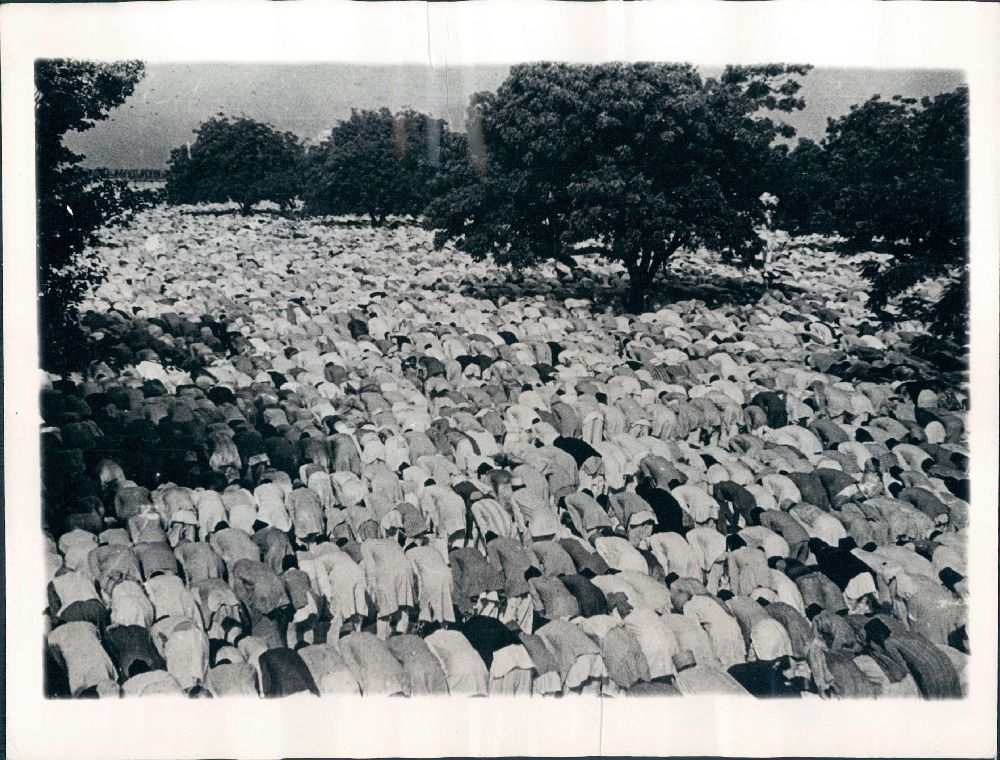
Is Eid a public holiday in India? Yes. Both major Eid festivals — Id-ul-Fitr and Id-ul-Zuha (also called Bakrid) — are gazetted public holidays in India, announced each year by the Department of Personnel and Training. For 2026, Id-ul-Fitr falls on March 21 and Id-ul-Zuha falls on May 28 on the central government holiday list. On these days, central government offices, banks, and most schools across the country are closed, and the festivals are observed by millions of Indian Muslims with prayers, feasts, and family gatherings.
Eid Dates in India for 2026
India’s 2026 gazetted holiday list confirms two Eid holidays. Id-ul-Fitr, marking the end of the holy month of Ramadan, is listed for March 21, 2026 — though, like all lunar-based dates, it is subject to moon sighting and was marked tentative in official announcements. Id-ul-Zuha (Bakrid), the festival of sacrifice coinciding with the Hajj pilgrimage, is listed for May 28, 2026; this date was confirmed through an official corrigendum after the initial announcement, so it carries more certainty.
It is worth noting that India also observes Milad-un-Nabi (the Prophet’s birthday), listed for August 26, 2026 (tentative), and Muharram on June 26, 2026 (tentative) — so the Islamic calendar contributes several days off across the Indian year, all of them moving with the lunar cycle.
What Eid Means as a Public Holiday
When Eid is declared a public holiday, the practical effects are the same as for any other gazetted holiday. Central government offices shut down, public-sector banks close (ATMs and digital services keep running), schools declare a holiday, and the stock exchanges do not trade. In states with large Muslim populations — such as Uttar Pradesh, West Bengal, Bihar, Kerala, and Jammu & Kashmir — the festival dominates public life: morning Eid prayers at mosques and eidgahs draw enormous congregations, markets stay busy with festive shopping in the preceding days, and the characteristic dishes (sheer khurma on Id-ul-Fitr, sacrificial feasts on Bakrid) define the celebrations.
For non-Muslim Indians, Eid holidays function like any other public day off — a break in the routine, often used for travel or rest. The inclusive nature of India’s holiday calendar, which covers Hindu, Muslim, Sikh, Christian, Buddhist, Jain, and Parsi observances, means most Indians get days off for festivals they do not personally celebrate.
Moon Sighting and Date Changes
The one caveat with Eid dates is the moon. Islamic months begin with the sighting of the new crescent, so Id-ul-Fitr’s exact date can shift by a day depending on when the moon is observed in India. This is why the March 21 date carries a “tentative” note — if the crescent is sighted a day later, the holiday moves to March 22, and the government issues a revised notification. Employers, schools, and transport operators all watch for this announcement. If you are planning travel or important commitments around Eid, build in a day of flexibility and follow the official notification rather than relying solely on advance calendars.
Eid Across India’s States
While the central gazetted list sets the baseline, individual states publish their own holiday calendars, and most include both Eids. Some states add extra days — for example, extending the break or adding local observances around the festivals. A few states with smaller Muslim populations still list Eid on their calendars as a matter of national uniformity. The bottom line is consistent: wherever you are in India, you can count on Id-ul-Fitr and Id-ul-Zuha being days off in 2026, subject only to the moon-sighting caveat on the exact date of the former. Check your state government’s current-year notification for the final word.